Lake Charles Insulation CompanyLake Charles Insulation Company

Insulation removal in Lake Charles LA - a clean attic ready for new insulation

Insulation that's soaked, moldy, smelly or full of droppings comes out, the space gets cleaned, and you see what was hiding underneath.

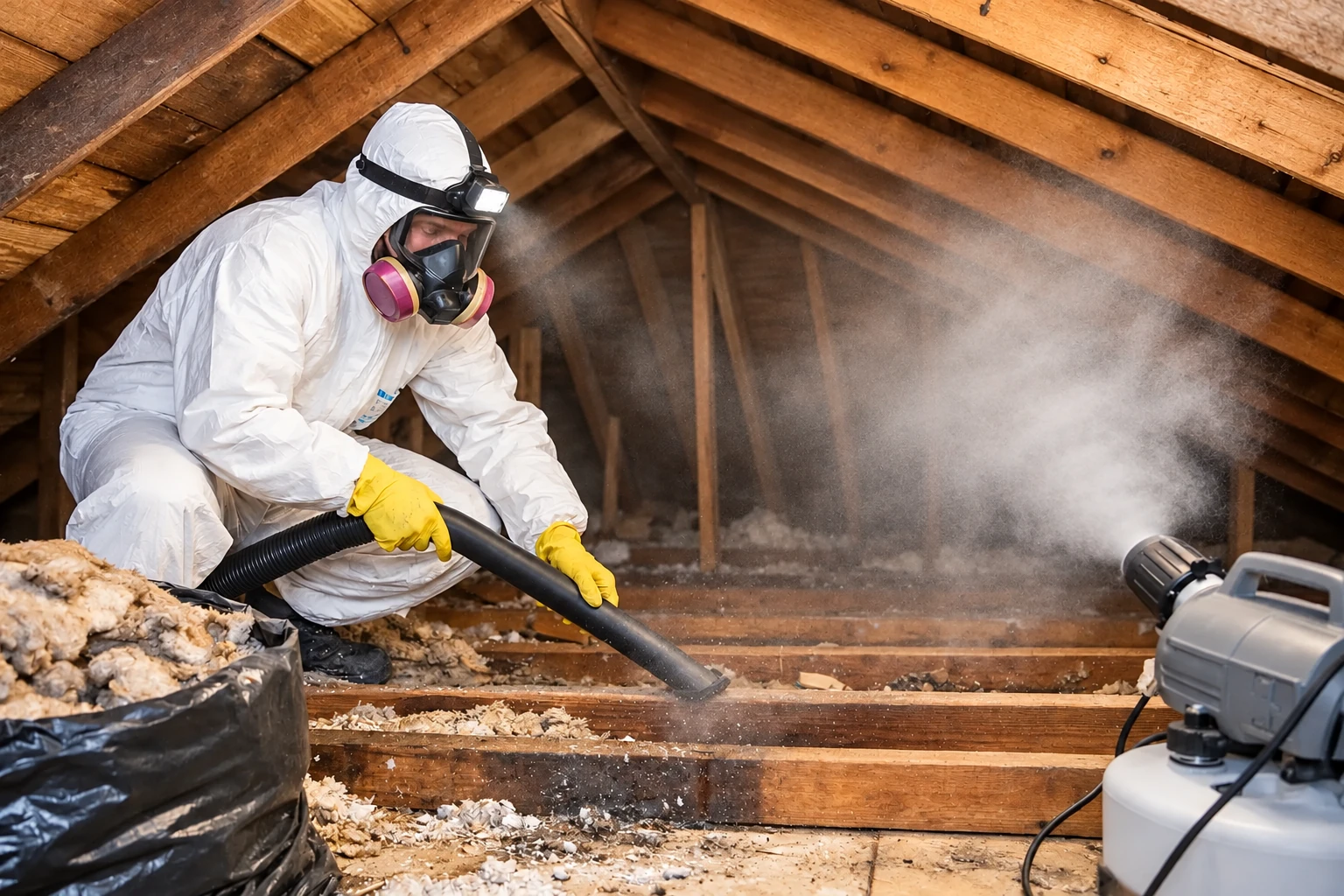
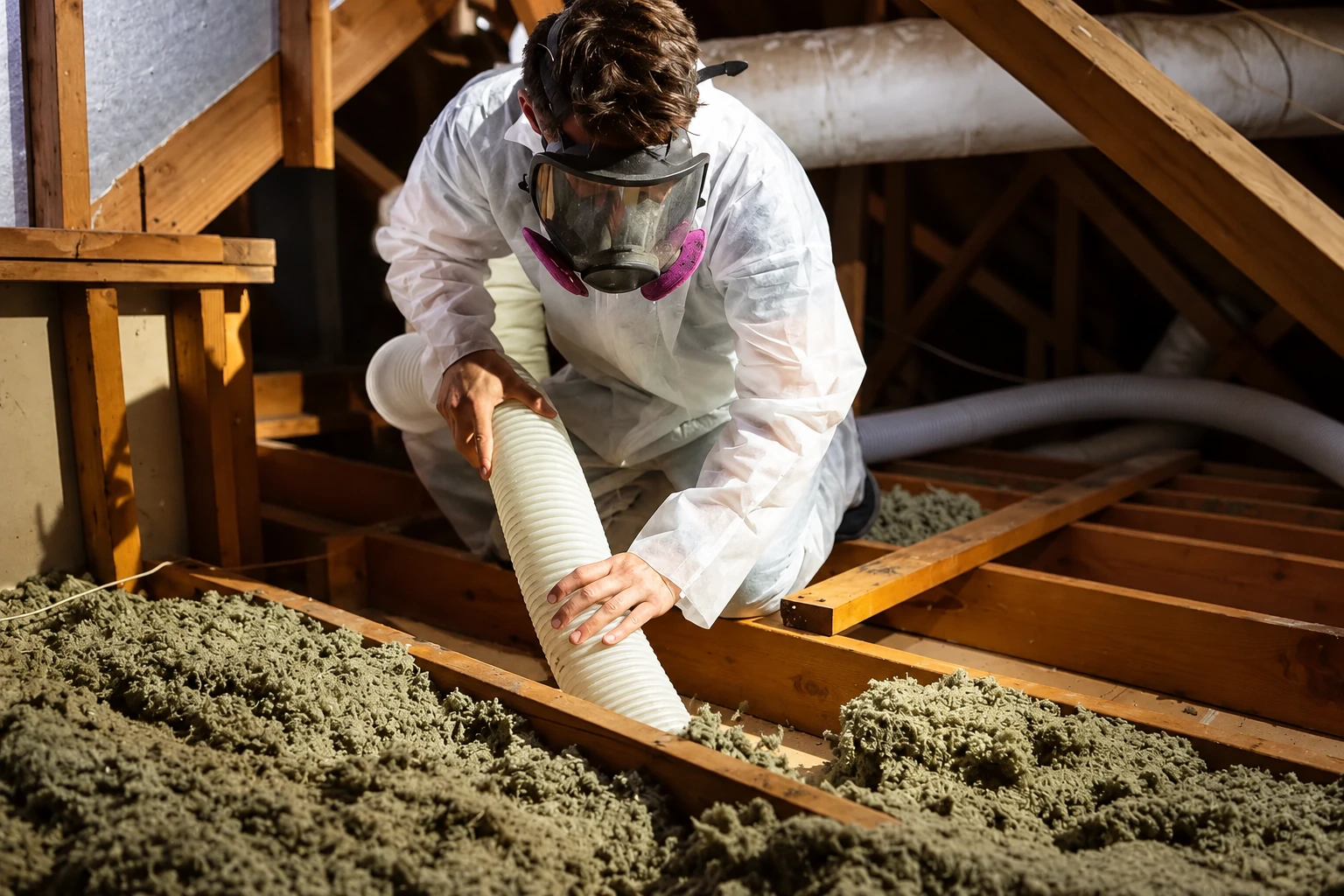
A worker in protective coveralls and a full-face respirator vacuums loose attic insulation through a hose.

Insulation removal means taking old insulation out of your attic, walls or crawl space when it's wet, moldy, smelly or fouled by animals. At Lake Charles Insulation Company we do this work in Lake Charles, LA, so new insulation goes onto clean, sound framing and not over the problem.

What does insulation removal in Lake Charles involve?

Most calls start with something you noticed: a musty smell in the hallway, a stain on the ceiling or droppings near the attic hatch. Insulation that gets soaked stays wet far longer than you'd expect, and inside a wall it can grow mold and rot you won't see until the drywall comes off. New insulation laid over that buries the problem, so the bad layer comes out first.

The price mostly turns on how big the space is and what's up there: the type of insulation, how much of it and what shape it's in. The schedule turns on the same things, plus anything that has to happen first, like getting rodents trapped out. I measure and write down what I find at the estimate, and that's where your own number comes from.

What we look at before anything comes out

Pulling insulation is the easy part. Before we start, we find out why it went bad and what's under it, so you get the right fix the first time.

What I check before quoting

I look at the attic floor, the hatch, the eaves and the framing under the insulation, because whatever wet or fouled it is usually still up there. Stains, a musty smell, tunnels and droppings all tell me something. I write each one down and show you, so you can see what the estimate is based on.

Leaks, wet wood and wiring

Once the old insulation is out, the roof deck, the framing and the wiring are in plain sight, often for the first time in years. If I see a leak, wet wood or wiring that needs a look, I point it out and we plan around it before anything new goes in, so it doesn't get covered up again.

Sealing and vents come next

An empty attic floor is the easiest time to close up the gaps around can lights, pipes and the hatch, the work we call air sealing, so the new layer isn't fighting a draft. We also keep the eave vents clear and the edges as deep as the middle, because a buried vent traps moisture in the framing.

What happens after you call us about insulation removal?

Here's how a removal job goes with us, from your first call to the walk-through. You'll know who's coming out and what you're agreeing to at each step.

  1. 1

    Call or send the form

    Call (337) 474-1146 or use the form and tell us what you've noticed, whether it's a smell, water stains, droppings or old insulation you're unsure about. We get back to you and set a time for me to come out.

  2. 2

    I look, measure and write it up

    I come out myself, go into the attic or crawl space, measure and write down what I find. You get a written estimate that spells out what comes out, what can stay and why.

  3. 3

    We clear out the old insulation

    If you go ahead, we check permit needs with the office that covers your address, then our crew does the work the estimate describes, with me or a lead installer on site. Active rodents get trapped out first.

  4. 4

    Walk through the finished job

    When we're done, I walk you through the cleared space and show you what we found under the old layer. Anything that needs a roofer or electrician gets noted before new insulation goes in.

Request an estimate

How we handle insulation removal

Old insulation only needs to come out when it's wet, moldy or fouled by animals. If yours can stay, I'll tell you straight and you won't pay to haul it out. When it does have to go, we vacuum loose fill out through a hose and bag it, pull batts by hand and clean the attic floor, so nothing's left under the new layer.

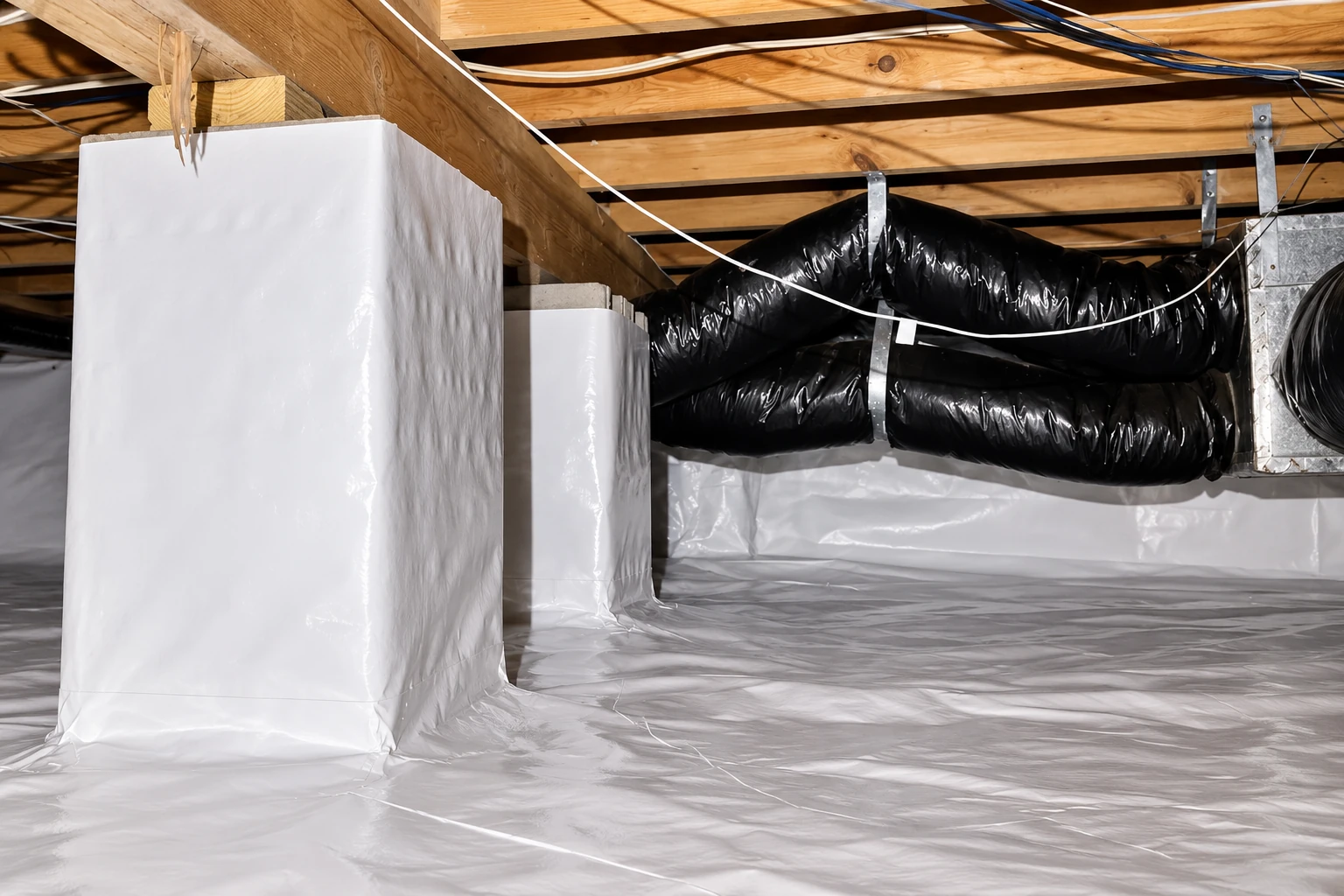
The same thinking goes for the rest of the house. After water gets into a wall, the wet batts come out with the damaged drywall, and we put back wall insulation once the framing has dried. Under raised floors, soaked or sagging batts are a common find, and we replace them with crawl space insulation that fits the space.

If I see insulation that might hold asbestos, like the pebble-like vermiculite in some older attics, we leave it alone and point you to a trained abatement company. That's work for a separate crew with its own training, and we won't disturb it to make our job easier.

Seal and blow in loose fill

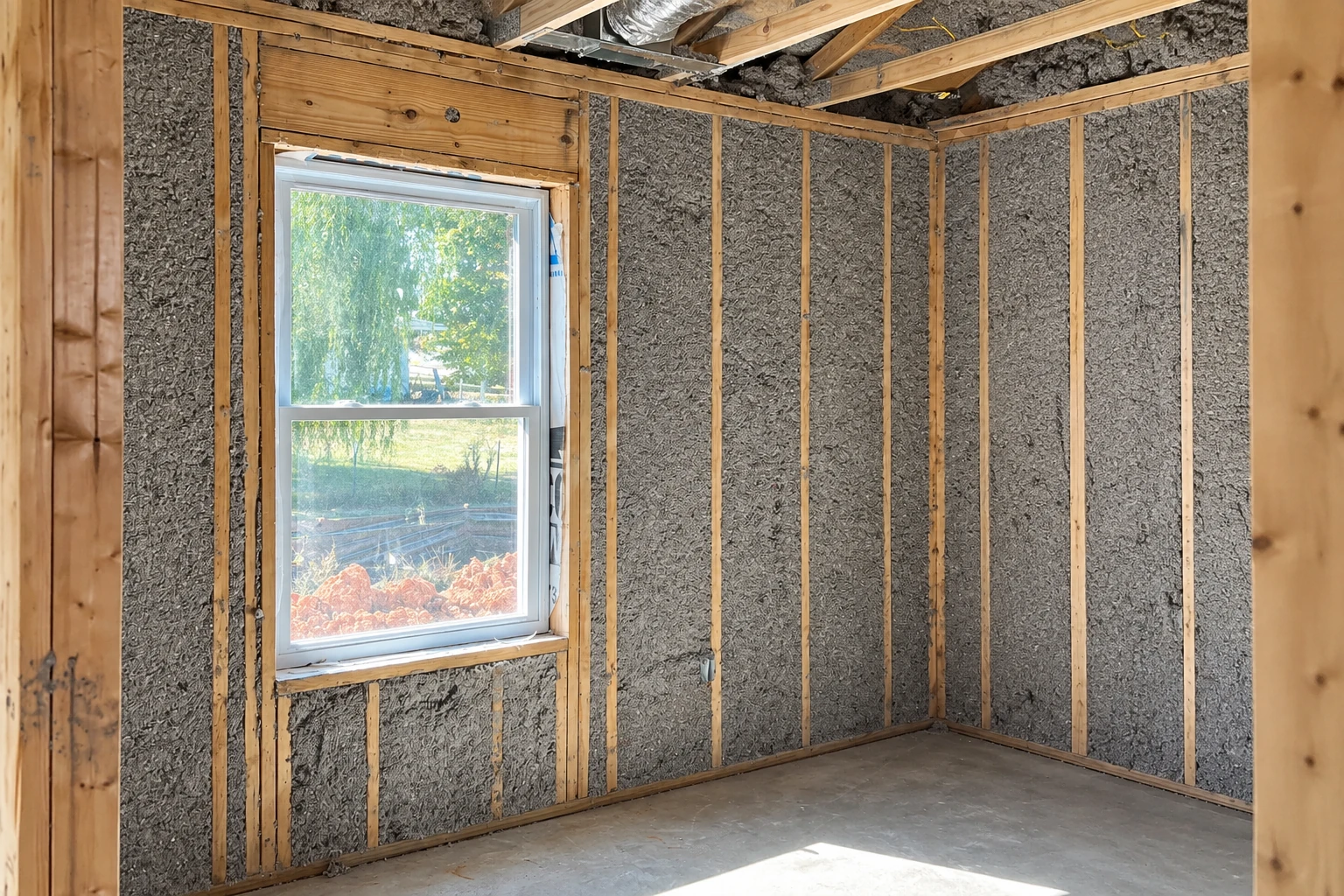
For most attics, this is what I'd pick. We seal the gaps, then put down blown-in insulation, loose fill sprayed through a hose, which costs less than foam and does the job well.

Spray foam when ducts are up there

Foam costs more, but it seals air while it insulates. When your ductwork runs through the attic, I'll usually point you this way, so the ducts sit in a space that stays closer to the house's temperature.

Get a written plan for your old insulation

Send the form and we reply within one business day to set up a visit. I come out, look over the space and give you a free estimate on site, with no obligation to go ahead.

(337) 474-1146

projects@lakecharlesinsulationcompany.com

Insulation removal in Lake Charles: permits, licensing and flood damage

Calcasieu Parish requires a permit before any construction, remodeling or renovation work, but its list names jobs like re-roofing and demolitions, not insulation removal, so the list doesn't settle whether your job needs one. Inside the city, the Lake Charles Permit Center at 337-491-1294 answers questions about building permit requirements. We check with the office that covers your address before we start and apply for a permit if the job needs one.

Louisiana's state licensing board also has a rule about who can take on bigger jobs. Home improvement work worth more than $7,500 and up to $50,000 has to be bid or done by a registered home improvement contractor or a licensed contractor. If removal and new insulation together run past $7,500, that rule covers whoever you hire, so ask before you sign.

Flooding is the other reason this work comes up here. LSU AgCenter guidance says to pull out all wet fibrous insulation after a flood, even when the wallboard looks dry, because the insulation behind it holds water. If your house took water, plan on removal even if the walls look fine. We do the same work in Sulphur and Moss Bluff.
Why Lake Charles homeowners call us for insulation removal

I learned insulation and building upkeep on a municipal crew, where every job got written up and checked before anyone signed off. I started Lake Charles Insulation Company here in 2023 to work on houses the same way. I come out to look at the job and write the estimate myself, and our crew does the work with me or a lead installer on site.

We're licensed and insured. When we're in your attic, I'll show you what we found, explain your choices in plain words and tell you when the answer depends on the house. Your satisfaction, guaranteed. When you're ready, call (337) 474-1146 or send us the form and we'll set up a visit.

Crawl space insulation

If the floors over your crawl space feel cold or the batts underneath have fallen or soaked through, new insulation down there fixes it.

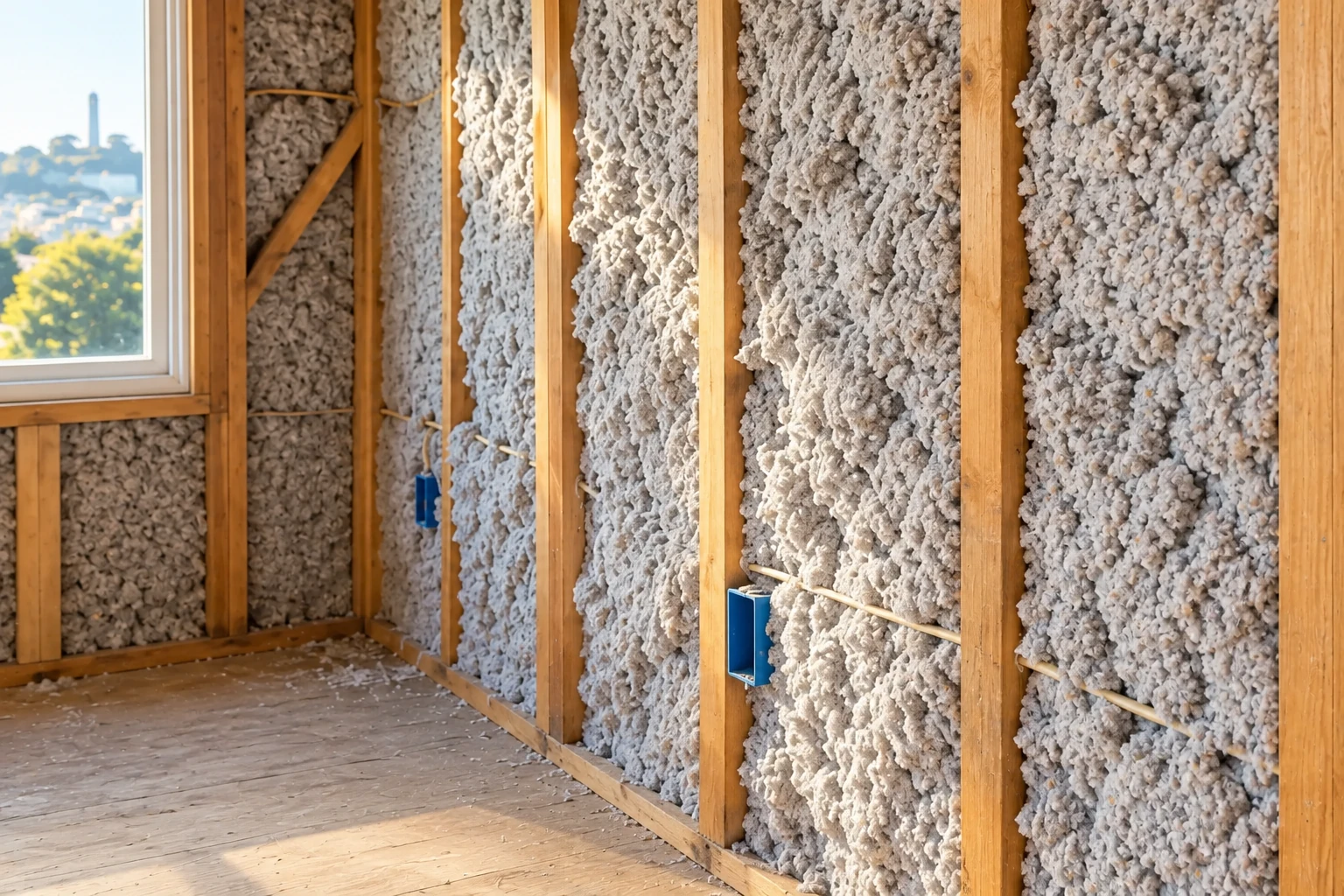
Wall insulation

Once wet insulation comes out of a wall and the framing dries, the cavity needs filling again before the drywall goes back up.

Cities we serve around Lake Charles

We're based in Lake Charles, LA and take removal jobs in the cities around it, including Sulphur, Jennings and Orange, TX, plus areas like Moss Bluff and Prien. If your city isn't listed, ask anyway.

Insulation removal questions from Lake Charles homeowners

Does old insulation have to come out before new insulation goes in?

Usually not. If your insulation is dry, has no mold or odor and is free of animal waste, new insulation can go right on top of it. It only needs to come out when it fails one of those checks, and I'll tell you which side yours falls on after I've been up there.

How much does insulation removal cost in Lake Charles?

Removing old attic insulation usually costs about $1,600 to $3,600 per job across the US, according to a national cost guide, and that's the market's range, not our price. Your number depends on what's actually in your attic. For a Lake Charles figure, I measure on site and give you a written estimate.

What should I do if my attic has vermiculite insulation?

Leave it alone. The EPA says to treat vermiculite, a pebble-like fill that's usually gray-brown or silver-gold, as if it contains asbestos, and to have a trained professional remove it only if it has to come out. The EPA also recommends an accredited asbestos abatement contractor separate from whoever assessed it, so no one has a reason to oversell the job.

How long does it take to remove attic insulation?

A national cost guide puts removal anywhere from 4 hours to 2 days or more, depending on how big the attic is and how complicated the job gets. Tight spaces, a lot of material or droppings that need careful cleanup push it longer. I'll tell you what to expect for your house when I write the estimate.

Can you remove insulation with rat droppings in it right away?

Not until the rodents are gone. Rodent cleanup guidance says to trap out the infestation completely first, then wait about 5 days after the last signs of rodents before the attic gets cleaned. If you're still hearing them, book trapping first and we'll schedule removal after that wait.

How do I get ready for insulation removal?

Clear a path to the attic hatch or crawl space door and move anything stored right under it, because the crew and the hoses go through there. Keep pets in a closed room while we work, so they stay out of the dust and away from open doors.

Book a look at your old insulation

When you call (337) 474-1146 or use the form, have your attic's rough size handy and mention any water, droppings or pebble-like insulation, so I know what I'm walking into.

(337) 474-1146Request an estimate