Lake Charles Insulation CompanyLake Charles Insulation Company

Basement insulation in Lake Charles, LA - sealed walls with the water trouble fixed first

Damp-smelling basement walls or a room downstairs you can't keep comfortable? We check for water first, then insulate and seal the walls.

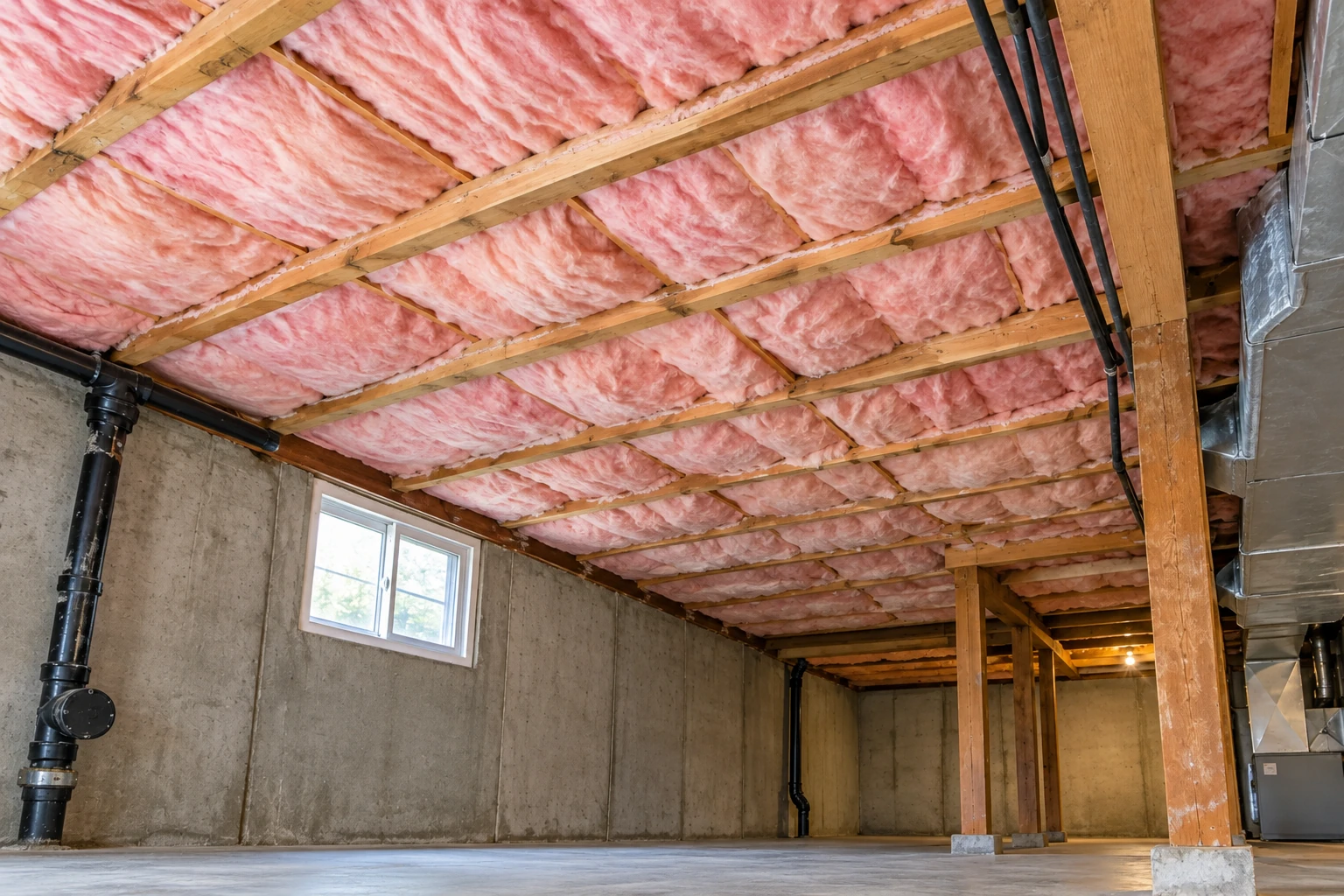
Basement with pink batt insulation between ceiling joists, concrete walls, support posts, pipes and ductwork.

Basement insulation in Lake Charles means covering your foundation walls with insulation and adding a sealed air barrier on the room side, so the basement holds the temperature you pay to heat and cool and outside air stops slipping in.

How do you insulate basement walls in Lake Charles?

Most calls start with a downstairs room that's never comfortable, walls that feel cold or damp, or a power bill that climbs every summer. The price turns on how much wall there is, whether old or wet insulation has to come out, which material goes against the concrete and what finish goes over it. Leak and drainage repairs come first, so they land in the budget before any insulation does.

The schedule turns on the same things, because a leak fix and the drying after it happen before we start insulating. When I come out, I measure every wall and write down what I find, so the estimate you get describes your basement and gives you the figure for it, not a guess from a phone call.

What goes on a basement wall, layer by layer

Most of what decides how a basement wall performs is hidden once the drywall goes up. These are the three things I check in any plan, ours or someone else's.

What sits against the concrete

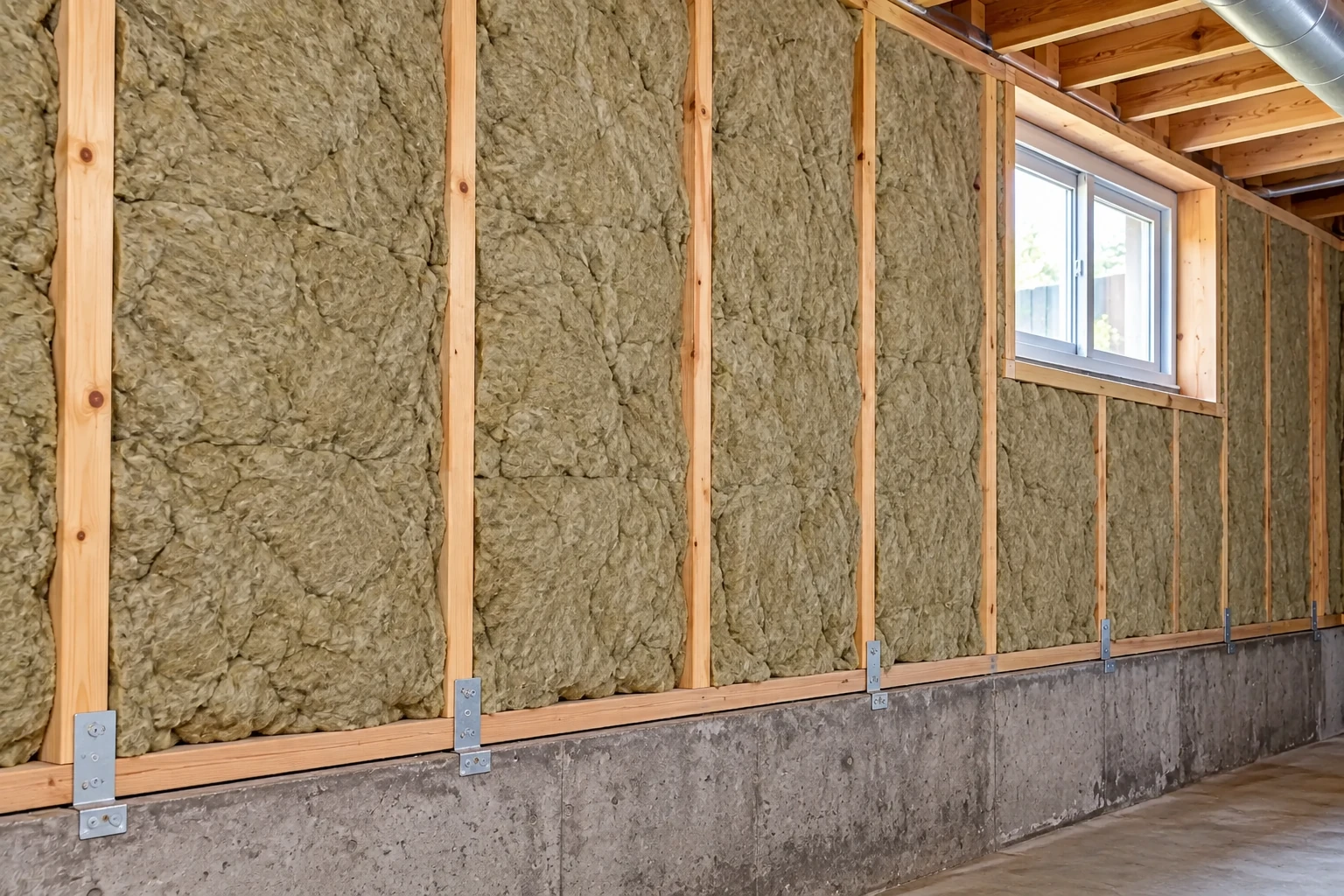
Building research guidance says fiberglass batts and cellulose shouldn't touch the foundation wall, since concrete holds moisture and those materials soak it up. That makes the first layer the one to compare between quotes. Ask each installer what goes right against the wall, and if the answer is batts, ask why.

Foam gets a cover

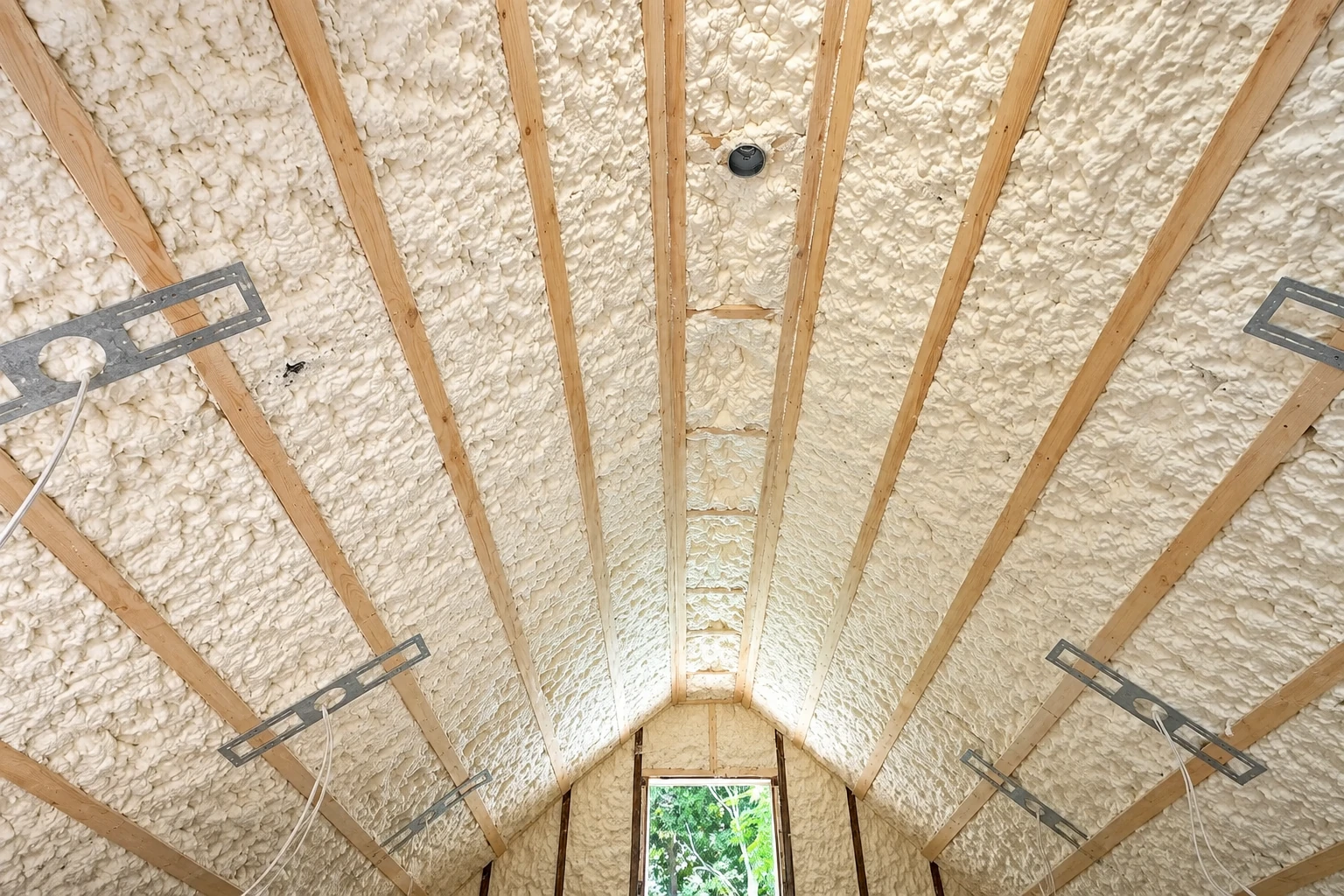
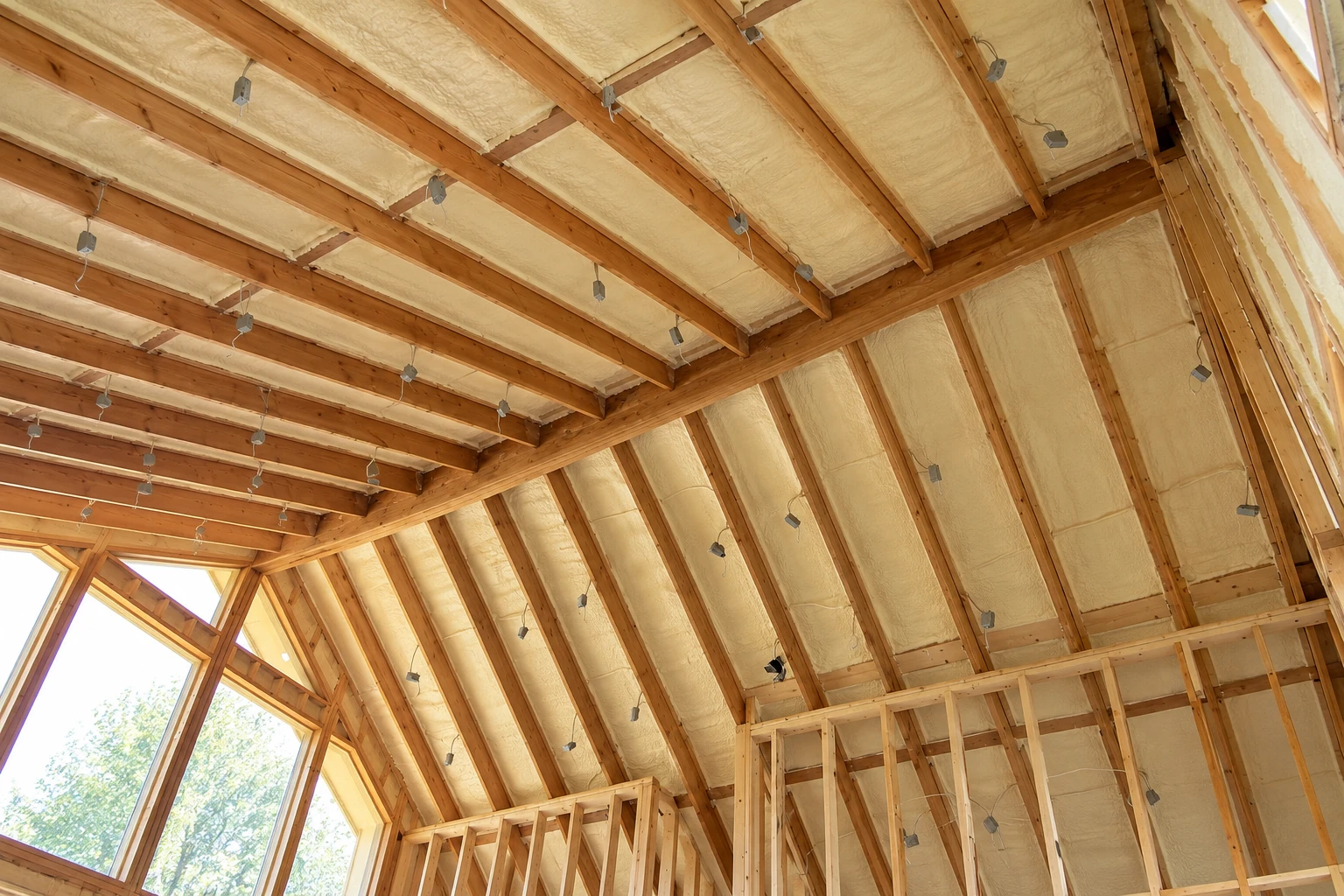
When foam goes on the walls, building code calls for gypsum board over it as a thermal barrier, a protective layer between the foam and the room. That board is part of the job, not an add-on, so it should show up on the estimate. If a quote leaves foam bare in a living space, ask about it.

Gaps sealed before anything covers them

Pipes, wires and the top of the wall, where the house framing sits on the foundation, leave gaps that let outside air in. We close them with air sealing, filling the gaps before insulating, because insulation over a draft keeps fighting it. Once the finish is up, those gaps are hard to reach.

What happens after you call us about your basement

Here's how a basement job runs with us, from your first call to the walkthrough at the end. I write down what I find on the first visit, so you see the same things I saw.

  1. 1

    Call or send the form

    Call (337) 474-1146 or send the form with what you're seeing, like damp spots, a musty smell or a room that won't stay comfortable. Have your flood zone handy if you know it, because it shapes the plan.

  2. 2

    I look and write it down

    I come out, check each wall for water, measure the space and write down what I find, including any leak, wet wood or wiring that needs a look. Then you get an estimate that spells out the work.

  3. 3

    We settle the water, then insulate

    If you go ahead, we check permit needs with the office that covers your address. Any leak we found gets settled before insulation goes up, then our crew does the work, with me or a lead installer on site.

  4. 4

    Walk the finished basement

    When the work is done, we walk you through it wall by wall and show you what went where. I'll also point out anything worth watching after the next heavy rain.

Request an estimate

How we plan basement insulation, starting with the water

Water comes first. Before we insulate anything, I look over every wall for leaks, damp spots and drainage trouble, because once insulation and a finish go up, nobody sees a leak until it's done its damage. If I find one, or wet wood or wiring that needs a look, I show you and we plan around it before any insulation goes in.

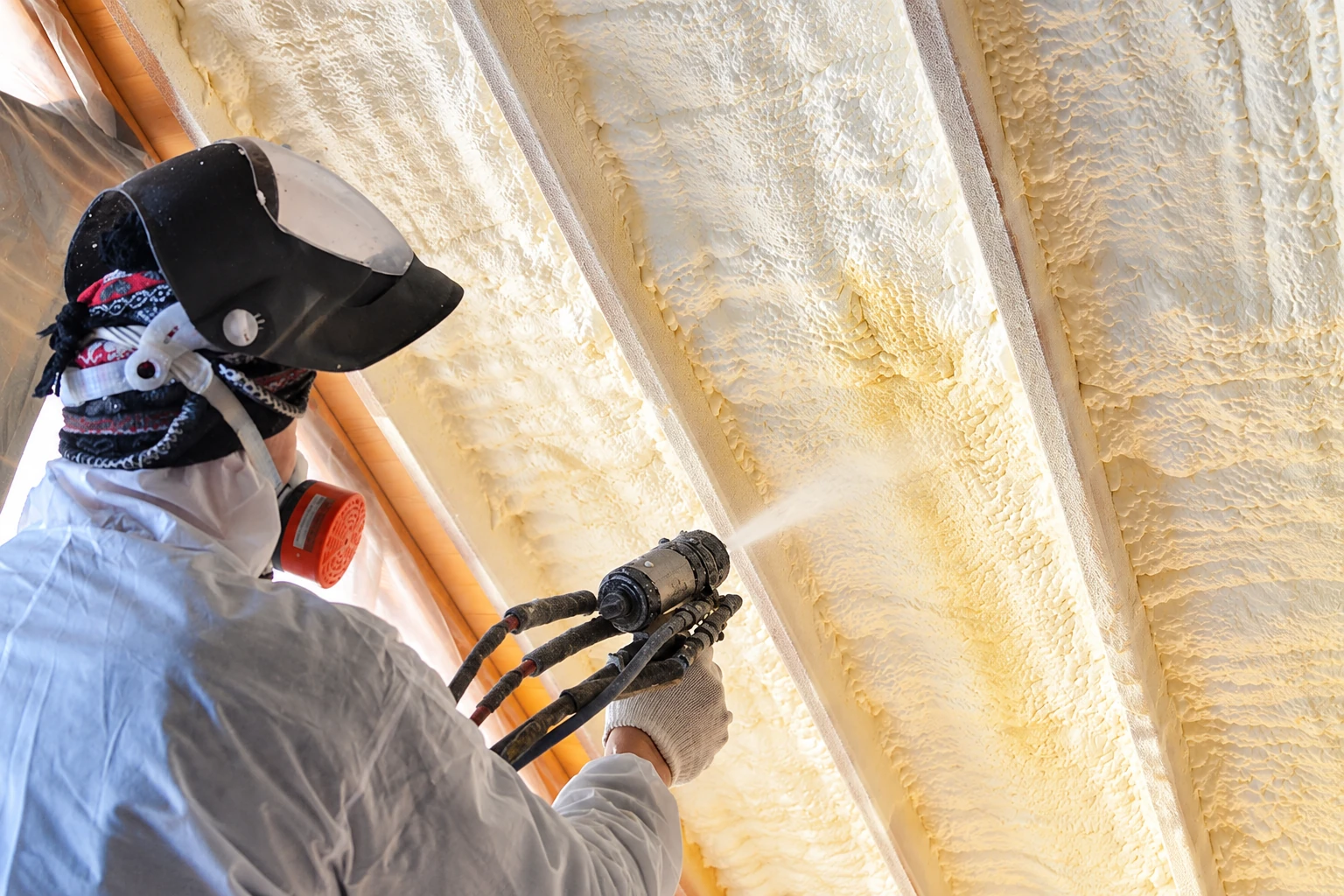
I also ask about your flood zone, since it shapes which finish materials make sense down there. Against concrete, closed-cell foam insulation, dense foam that blocks moisture, usually makes more sense than open-cell foam insulation, which is softer, lets moisture through and suits above-ground walls better. Foam costs more than batts, but it seals air while it insulates.

Insulating from the inside

Most basement jobs are done on the room side of the foundation walls, because the walls are easy to reach without digging. The air sealing and the finish can happen in the same job.

Insulating the outside

Insulation can also go on the outside of the foundation. Guidance says to skip it where termites are a problem, and it needs careful moisture protection while it goes in, so ask us about termites first.

Get a written basement insulation estimate for your walls

Send the form and we'll reply within one business day to set a time. I'll come out, look over each wall, measure and write down what I find, then give you a free estimate with no obligation to go ahead.

(337) 474-1146

projects@lakecharlesinsulationcompany.com

Basement insulation in Lake Charles and your flood zone

In Lake Charles, the city's Permit Center answers permit questions at 337-491-1294. Its list names building, electrical, mechanical and plumbing work, not basement insulation, so whether your job needs a permit is their call for your address. Before work starts, we check with the city or parish office that covers your address, and if the job needs a permit, we apply for it and keep you posted.

Flood zones come up on almost every basement job here. The city asks anyone planning a remodel to know their property's flood zone, and in Zone A or AE, owners and their contractors have specific guidelines to follow. Calcasieu Parish has very little land outside the 100 or 500-year floodplain, so we check the zone before we plan any finish.

Under the national flood rules, materials in a high-risk zone that sit below the base flood elevation, the height floodwater is expected to reach, have to be flood damage resistant. We ask the same flood zone question on basement jobs in Sulphur and Moss Bluff, because the answer decides what can go on those walls.

Why Lake Charles homeowners call us for basement insulation

I learned insulation on a municipal crew, where every job got written up and checked before anyone signed off. I started Lake Charles Insulation Company here in 2023, so we've been at it 3 years. I come out to look at each job and write the estimate myself, and our crew does the work, with me or a lead installer on site.

We're licensed and insured. One Louisiana contractor licensing notice requires a Home Improvement Registration for home improvement projects worth at least $7,500 but less than $50,000, so if your job falls in that range, ask any contractor you're weighing about it. Your satisfaction, guaranteed. To set up a visit, call (337) 474-1146 or send the form.

Open-cell foam insulation

A good fit for the rooms above the basement or the attic if you're insulating more of the house, since it fills odd cavities and quiets noise.

Cities we cover from Lake Charles

We're based in Lake Charles and work in the cities around it, including Sulphur, Jennings and Orange, TX, plus areas like Moss Bluff and Prien. Each city's page covers what we see on jobs there.

Basement insulation questions from Lake Charles homeowners

How much does basement insulation cost in Lake Charles?

There isn't one honest number for it, because two basements the same size can need very different work. Your figure comes after I've measured the walls and checked them for water, and the estimate spells out the work, so you can see what a repair or a finish choice adds. Call (337) 474-1146 to set up a visit.

How long does it take to insulate a basement?

It depends mostly on what has to happen before insulation goes in, so I give you a schedule once I've seen the walls. A leak fix and the drying after it come first. If we spray foam, you stay out until the re-entry time has passed, the point the foam maker says it's safe to come back down.

How do I get my basement ready for insulation?

Clear a few feet along every outside wall so our crew can reach the concrete from floor to ceiling. Move anything stored against the walls, point out shelves or fixtures fastened to them so we can plan around them, and keep kids and pets out of the space while we work.

Should basement leaks be fixed before insulating?

Yes. Federal energy guidance says to check the walls for water coming in, fix any leak before insulating and send rain and runoff away from the foundation walls. That's why a repair like that goes first in your plan and in your budget, ahead of any insulation.

Does flood insurance cover a finished basement in Lake Charles?

In most high-risk flood zones, no. NFIP flood insurance won't pay a claim for finish materials in a basement, even ones built to resist flood damage. If your house sits in one of those zones, plan the finish knowing a flood claim leaves it out, and we'll talk that choice through at the estimate.

What vapor barrier should go on a basement wall?

For walls below ground, federal guidance points to kraft-faced fiberglass batts, the paper-backed kind, or latex paint on the drywall. Plastic sheeting and foil-faced board slow moisture the most, and on the room side of batts or other fibrous insulation they can trap it inside the wall. Ask which one any quote uses.

Book a look at your basement walls

Call (337) 474-1146 before you hang drywall or shelving down there, since bare walls are easier to check for water and seal.

(337) 474-1146Request an estimate