Lake Charles Insulation CompanyLake Charles Insulation Company

Closed-cell foam insulation in Lake Charles LA - stiffer walls that won't soak up water

Drafty walls, a hot room upstairs or a roof deck you want sealed? We'll tell you plainly whether closed-cell foam is worth it.

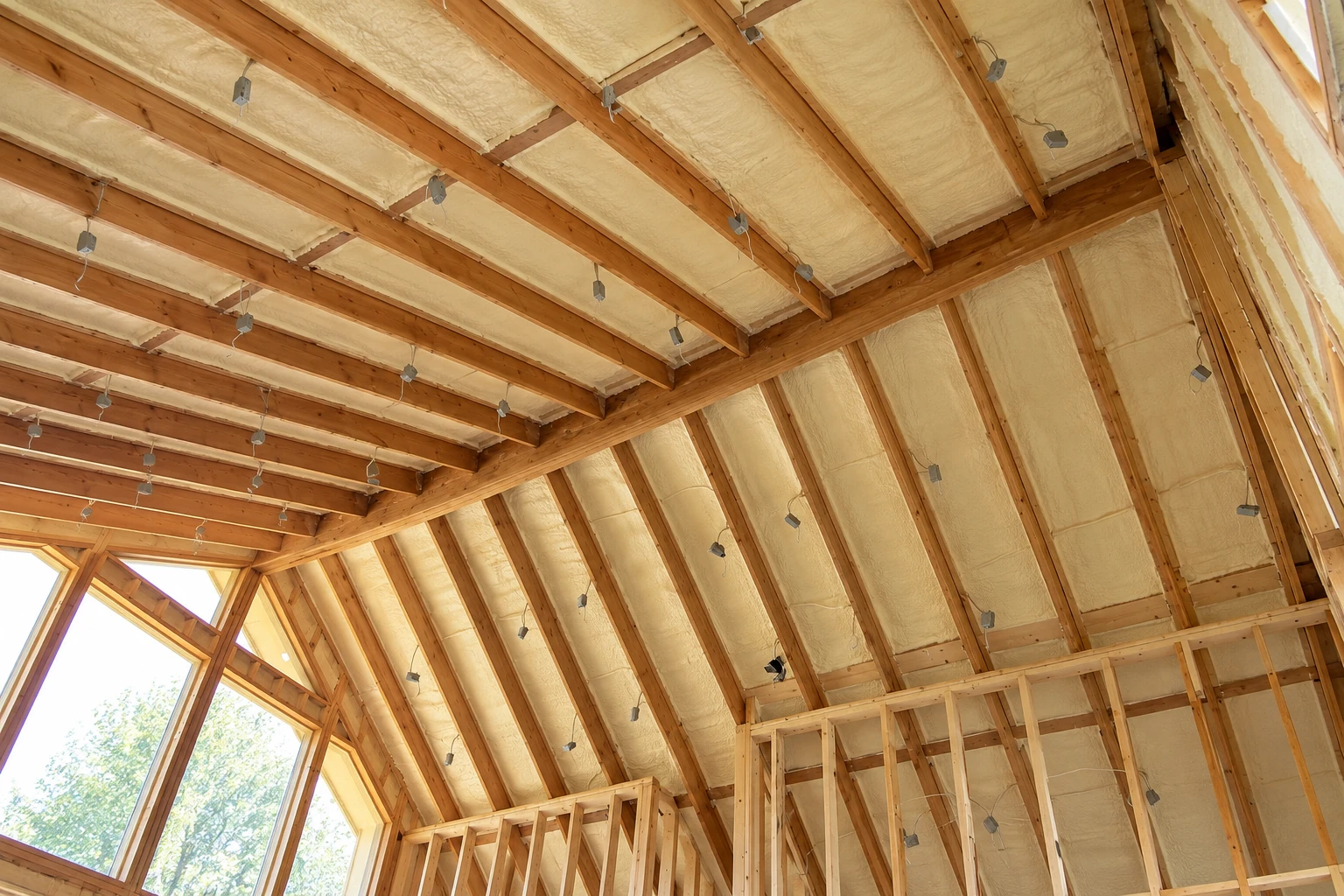
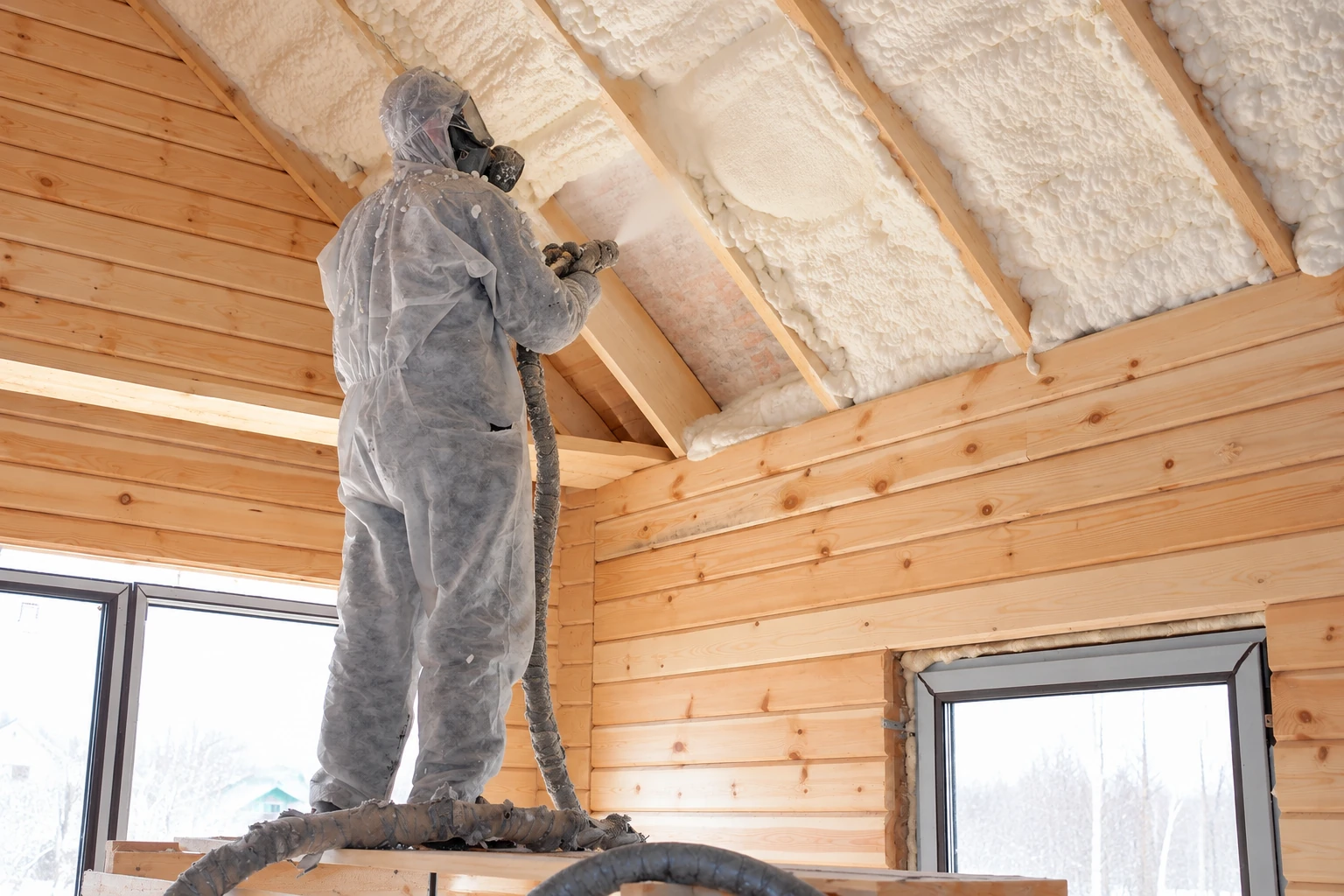
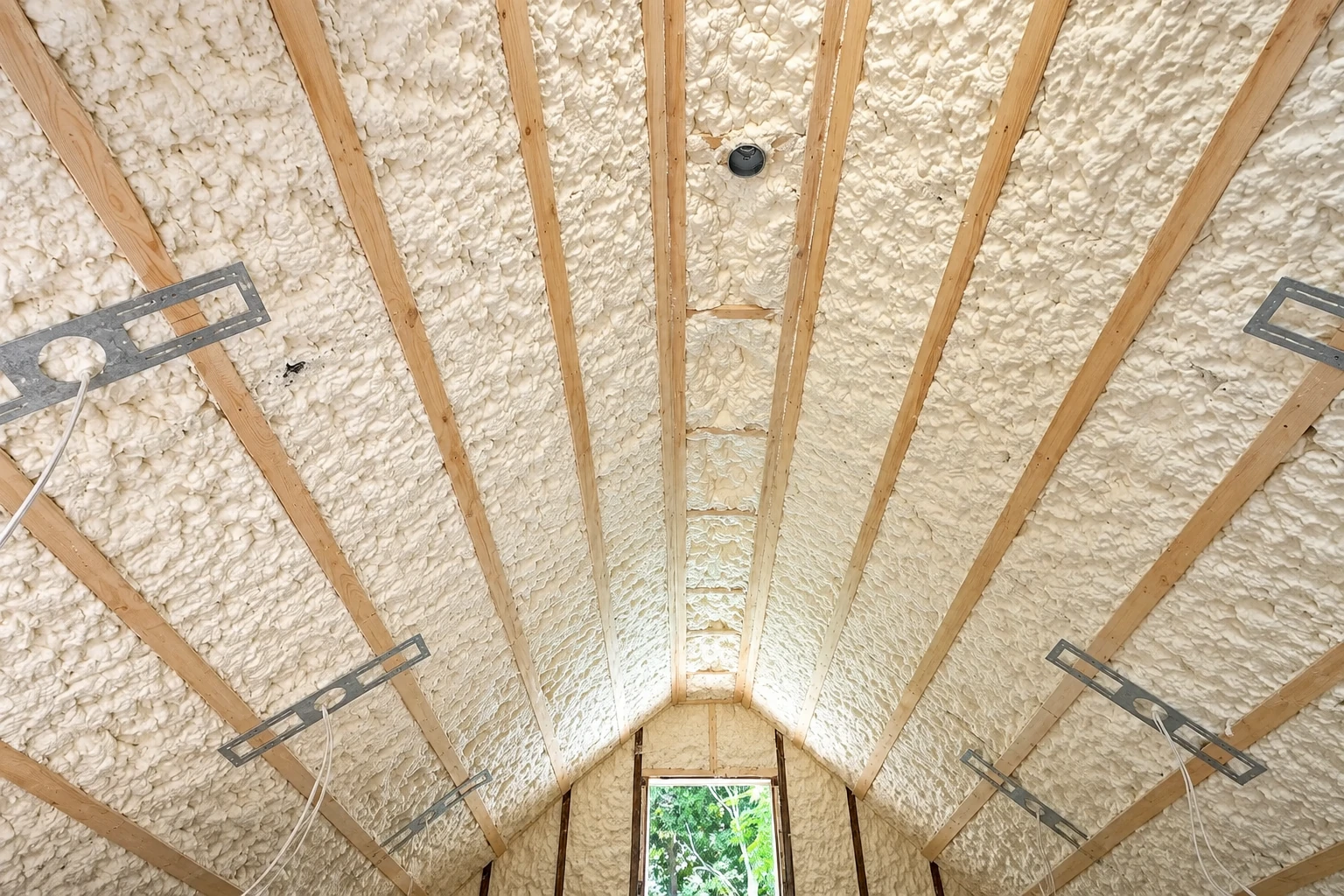
Vaulted ceiling and walls coated in white spray foam between exposed wooden rafters.

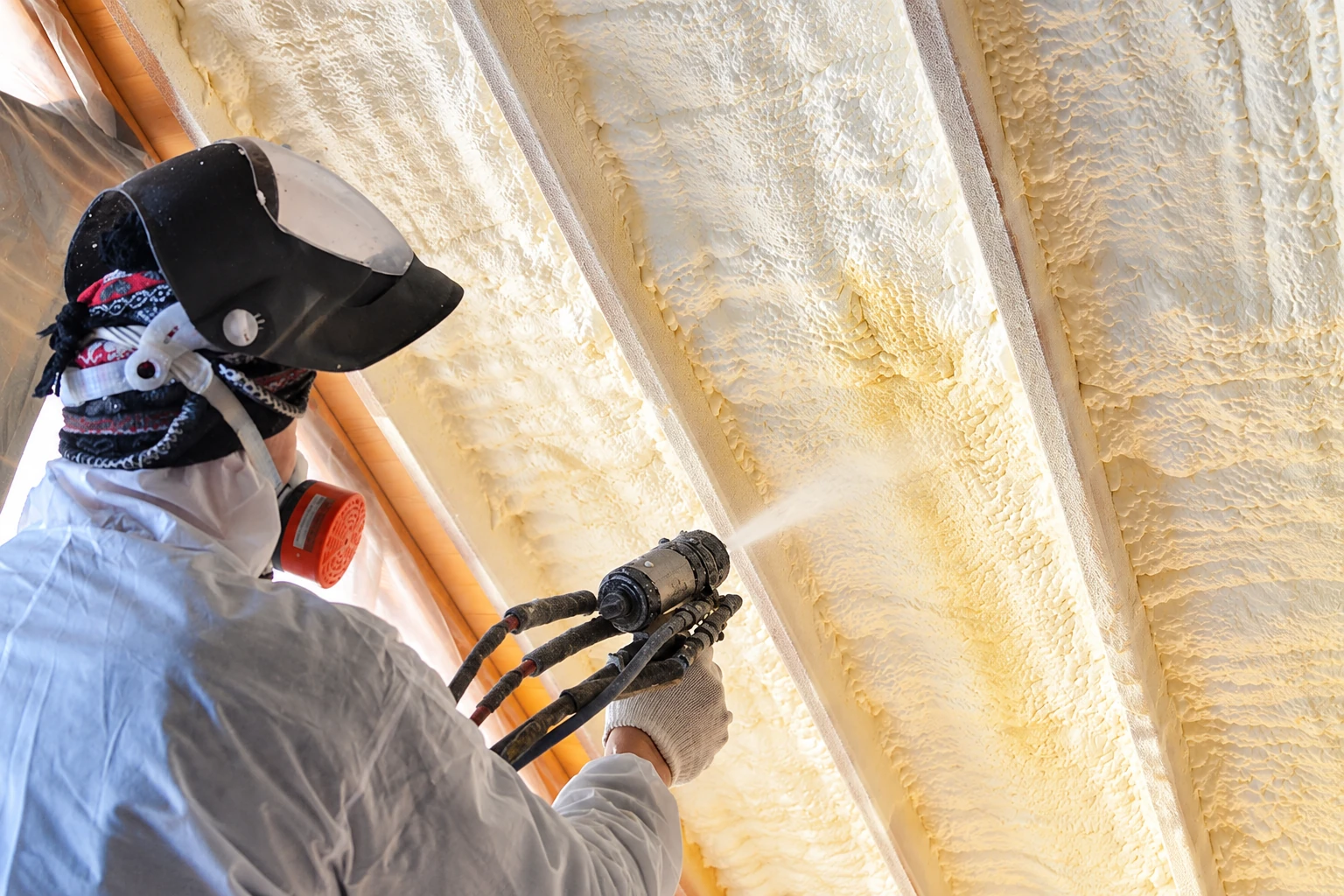
Closed-cell foam insulation is a dense spray foam that Lake Charles Insulation Company applies inside wall cavities or under the roof deck in Lake Charles homes, where it slows heat, lets very little moisture vapor through and won't soak up water.

Is closed-cell spray foam worth it for my Lake Charles house?

Most people call about a hot room upstairs, walls that feel drafty or an attic full of tired insulation. Before I quote foam, I look at how many inches are already up there, how old the house is and whether anything is wet, because the plan has to fit the house you actually have and not the one on paper.

The price moves with how much area we spray, how thick the foam goes, whether old insulation has to come out first and how hard the space is to reach. The schedule turns on the permit check, the weather on spray day and the time your household spends away while the foam cures. Your written estimate lays out the work for your house.

What closed-cell foam does in your walls and roof

Closed-cell foam isn't the right answer for every house, but it does a few things other insulation can't. Here's what you're paying for, and the one safety question worth asking.

It won't soak up water

Closed-cell foam cures dense and rigid, far harder to press in than fluffy insulation. At the thickness it's usually sprayed, it works as a vapor retarder, a layer moisture vapor can barely get through, and it won't absorb water. That's why it makes sense in spots where dampness is part of the problem.

Stiffer walls in hurricane country

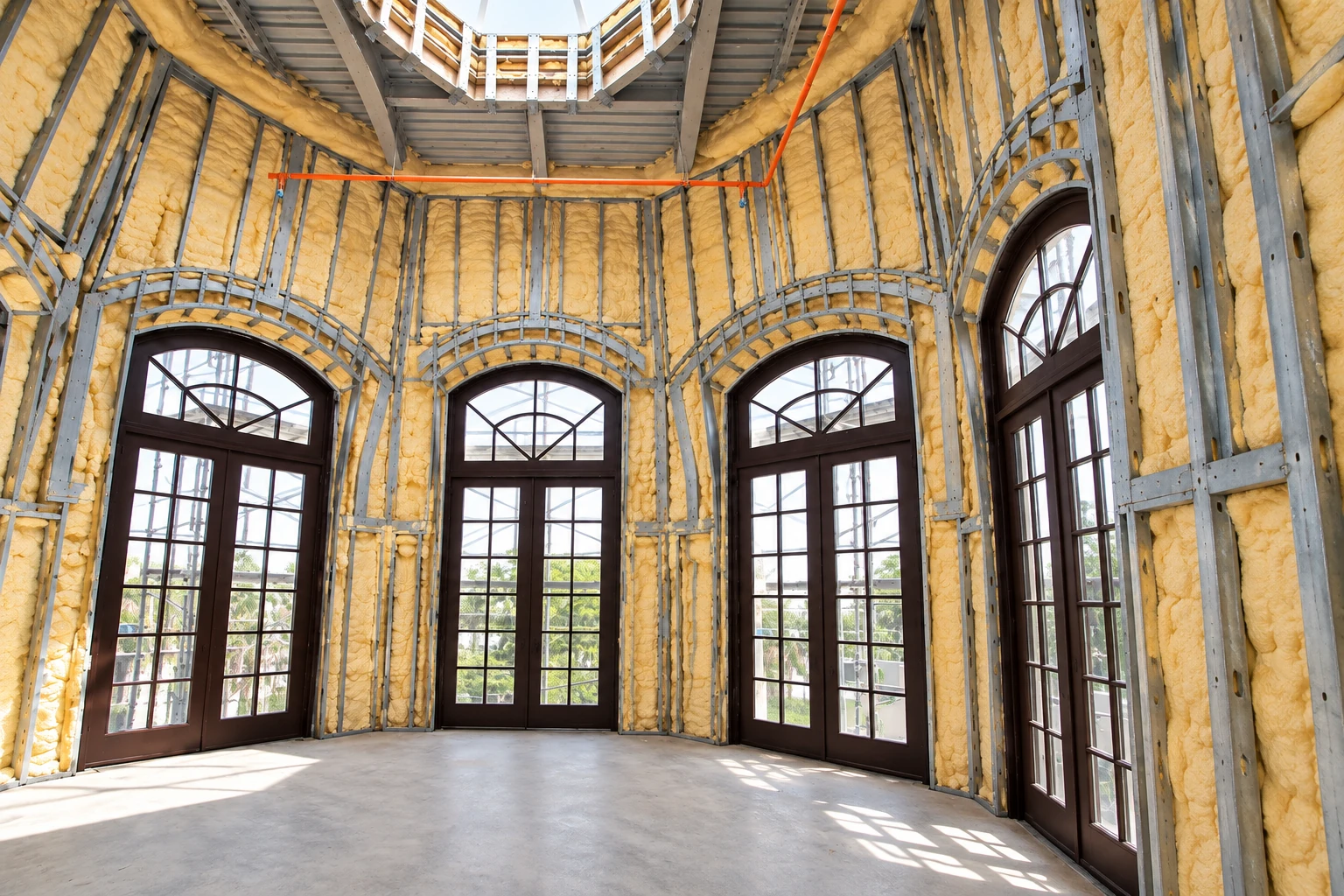
Sprayed into wood-framed walls, closed-cell foam substantially increases their racking strength, which is how well a wall resists being pushed out of square. Building guidance counts that as an advantage in hurricane zones, so it matters most when you're deciding what goes inside the walls. It's added stiffness, not a wind rating.

Foam and fire safety

Open-cell and closed-cell spray foam are both organic materials, and both are considered combustible. That's a fair question to ask any installer, us included. I'll go over how fire safety is handled for the foam on your job before anyone sprays, so you know what's going in and where.

What happens after you call us about closed-cell foam

Here's how a closed-cell job goes from the first call to the final walkthrough, and who you'll deal with at each step. I write the estimate myself, and our crew does the work.

  1. 1

    Call or send the form

    Call (337) 474-1146 or fill out the form and tell us what's bothering you, whether it's a hot room upstairs, cold floors or drafty walls. We'll get back to you and set a time for me to come out.

  2. 2

    I look, measure and write it up

    I come out, look over the attic, walls or crawl space, measure and write down what I find, including any leak, wet wood or wiring that needs a look. Then you get a written estimate for the work.

  3. 3

    We check permits and spray

    If you go ahead, we check permit needs with the office that covers your address. Then our crew does the work the estimate describes, with me or a lead installer on site. The FAQ below covers how long you'll be out.

  4. 4

    Walk through the finished job

    Once the foam has cured and the space is aired out and cleaned up, we walk you through the finished job. I show you what went where, so you know exactly what you paid for.

Request an estimate

How we plan and spray closed-cell foam insulation

Closed-cell costs more, so I start by explaining where a rigid foam that won't soak up water is worth paying for. Walls you want to stiffen are the clearest case. In an attic, sealing the gaps and topping up loose fill usually does the job for less, unless your ductwork runs up there, and then foam under the roof deck makes more sense.

When a lighter, less expensive foam fits your house better, I'll say so and price open-cell foam insulation instead. Property managers weigh the same choice for offices, shops and rental buildings, and we handle those through our commercial insulation work, starting with the same hard look at what's already there.

Before we spray a roof deck, we check the wood for moisture, because it should be dry to the level the foam maker recommends. We cover the equipment and wiring nearby so foam doesn't land on it. If I find a leak, wet wood or wiring that needs a look, I show you and we plan around it before any foam goes in.

Closed-cell foam in the walls

Best when the walls are open or you're building and want them stiffer and less bothered by moisture. It costs more than other wall insulation, and in return you get a rigid foam that adds racking strength.

Air sealing and loose fill

When the ductwork isn't in the attic, we usually close the gaps first, which is air sealing, then top up blown-in insulation, loose fill blown through a hose. It usually costs less, and for many attics it's enough.

Get a closed-cell foam estimate for your house

We reply within one business day. I'll come out, look over the spaces you want insulated, measure and write down what I find, then give you a free estimate on site. There's no obligation to go ahead.

(337) 474-1146

projects@lakecharlesinsulationcompany.com

Planning closed-cell foam insulation in Lake Charles

Calcasieu Parish requires permits before any construction or remodeling project, and the city's Permit Center, 337-491-1294, handles permit questions for building work in Lake Charles. Whether your foam job needs one depends on the work and your address, so we check with the office that covers it before we start. If it needs a permit, we apply for it and keep you posted.

In hurricane areas, adding vents along the soffits under the roof edge may not be a good idea, so the insulation sometimes moves up to the underside of the roof deck. Spray foam does well there because it seals air around complicated roof framing. Temperature and humidity affect how the foam cures, so I'll talk through with you when it makes sense to spray.

We're based in Lake Charles and work in the cities around it, including Sulphur and Moss Bluff. Most calls here are about upstairs rooms that won't cool down, rooms over the garage and attics with ductwork running through them, and closed-cell foam comes up most when the walls are already open.

Why Lake Charles homeowners call us for closed-cell foam

I learned insulation and building upkeep on a municipal crew, where every job got written up and checked before anyone signed off. I started Lake Charles Insulation Company here in 2023 to work the same way. I come out to look at your house and write the estimate myself, and our crew does the work with me or a lead installer on site.

We're licensed and insured. I'd rather show you what I found and explain the choices than talk you into the pricier foam, and if closed-cell isn't the right call for your house, I'll tell you. Your satisfaction, guaranteed. Call (337) 474-1146 or send the form to set up a visit.

Open-cell foam insulation

If you want spray foam's air seal in the attic without paying for a rigid, water-shedding layer, open-cell is the lighter option to weigh against it.

Commercial insulation

Offices, shops and rental buildings get the same look at walls and roof before we plan foam or other insulation to fit the building.

Where we spray closed-cell foam around Lake Charles

We're based in Lake Charles and work in the cities around it, from Sulphur and Moss Bluff to Prien, Jennings and Orange, TX. These are some of the places we go, not the only ones.

Closed-cell foam questions we hear in Lake Charles

Why does closed-cell spray foam cost more than open-cell foam?

Closed-cell costs more to install mainly because it takes more material to fill the same space. What you get for that is a dense, rigid foam that's far harder to compress and won't soak up water. I price your job after I've seen the space.

How long does my family have to stay out of the house after spray foam?

Plan on staying somewhere else, because some foam makers recommend 24 hours before anyone returns, and the time can vary by product. Everyone, kids and pets included, should be out while we spray, and nobody comes back until the foam has cured and the space is aired out and cleaned. We go by the re-entry time, the wait before you can come back, for the foam on your job.

Do I need a permit for spray foam insulation in Lake Charles?

It depends on the job and your address, and we check that for you before work starts. If the city or parish office says the job needs a permit, we apply for it and keep you posted on where it stands.

Who is allowed to do a spray foam job over $7,500 in Louisiana?

In Louisiana, a home improvement project valued over $7,500 and up to $50,000 has to be bid or done by a home improvement registrant or a licensed contractor. If your job falls in that range, ask any contractor you're comparing which one they are.

How do I get my house ready for closed-cell foam insulation?

Mostly by planning to be away and clearing a path to the spaces we're spraying. Move stored boxes out of the attic or away from the walls we're working on, and line up a place for kids and pets to stay. I'll tell you which rooms to clear when I write the estimate.

Tell us which spaces you want insulated

Call (337) 474-1146 or send the form with a note on the attic, walls or room over the garage you have in mind, and whether your ductwork runs through the attic, so I can plan the visit.

(337) 474-1146Request an estimate