Lake Charles Insulation CompanyLake Charles Insulation Company

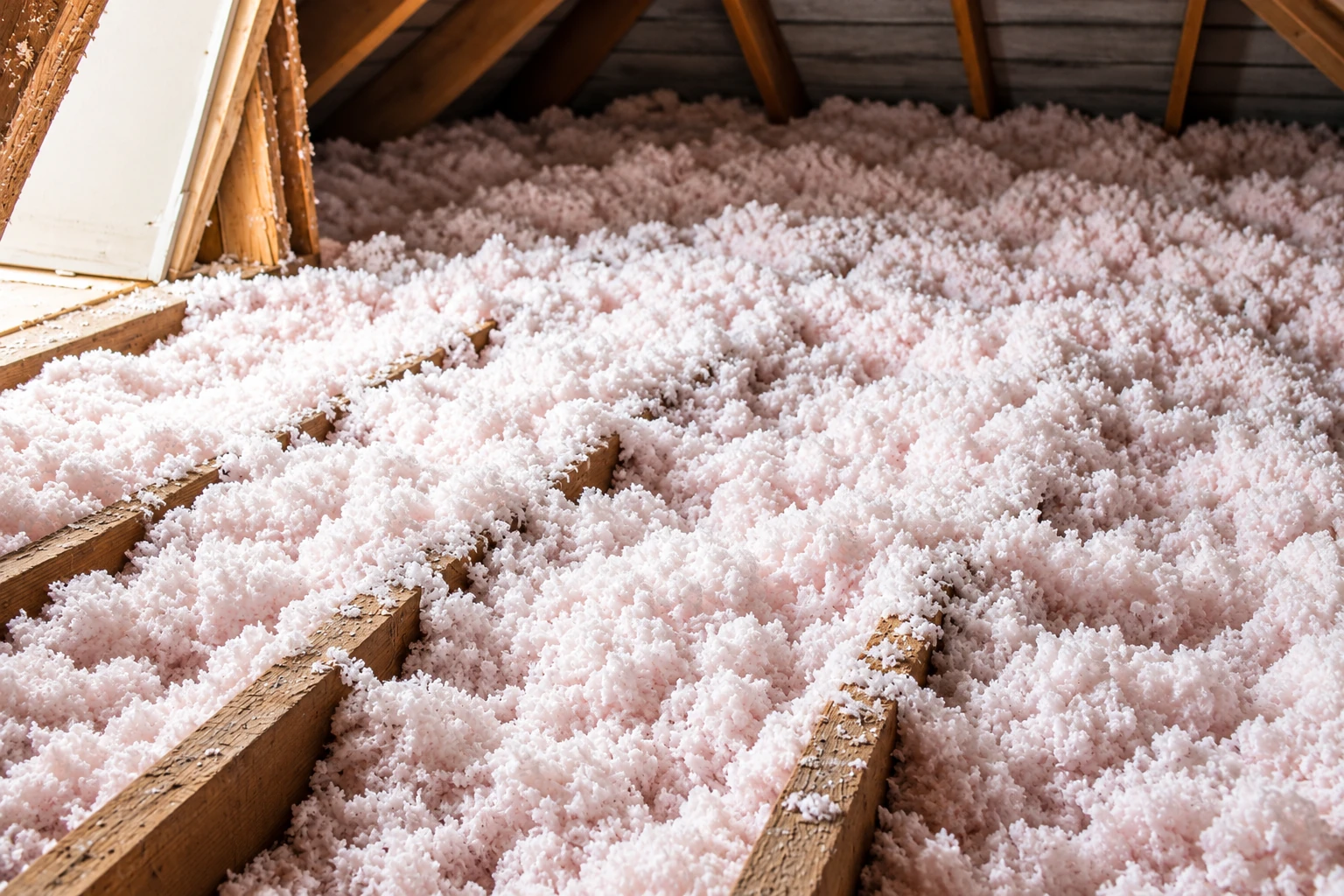
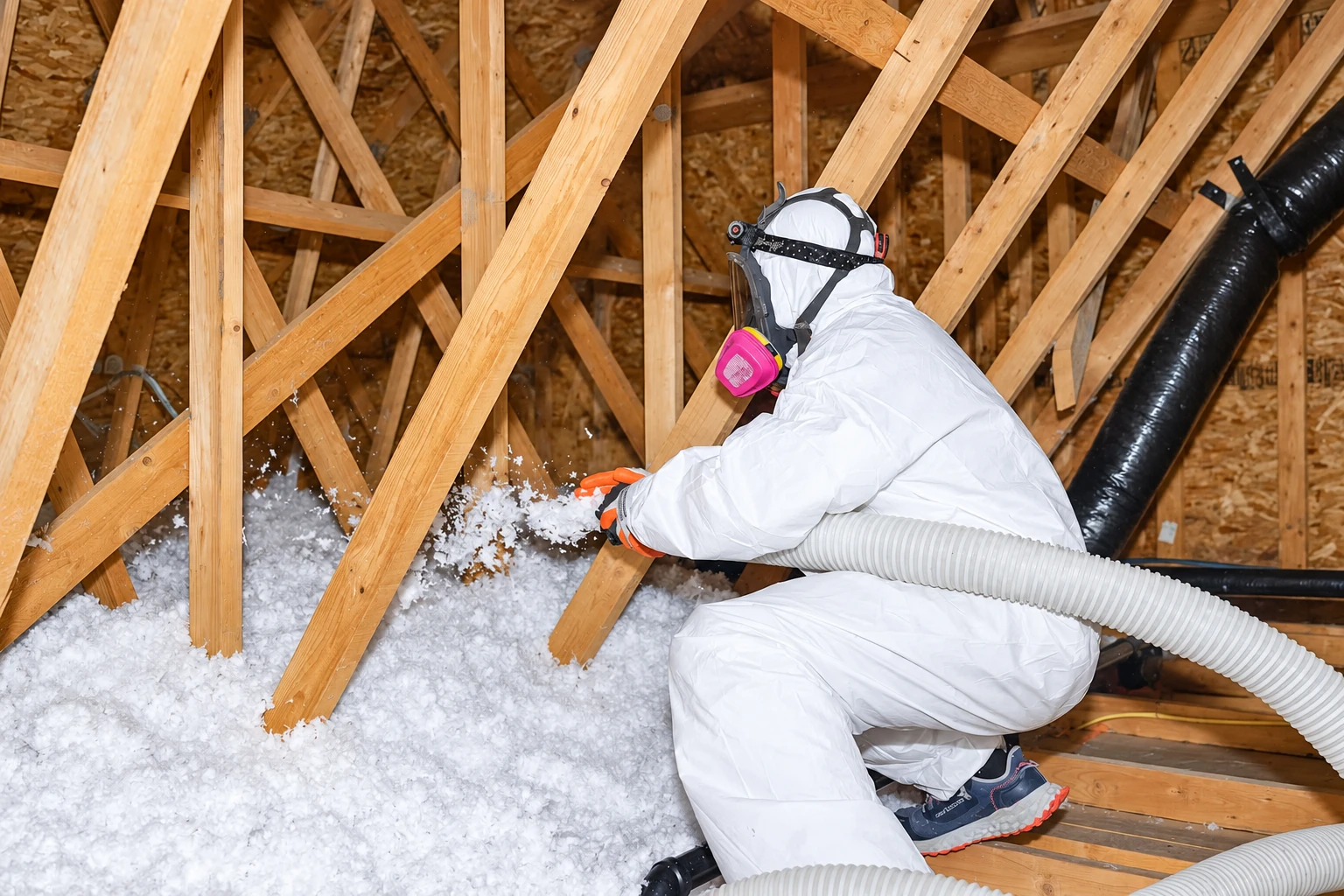
Blown-in insulation in Lake Charles LA - an attic covered evenly out to the edges

Upstairs rooms that stay hot and a power bill that won't come down, answered with loose fill blown evenly across your whole attic floor.

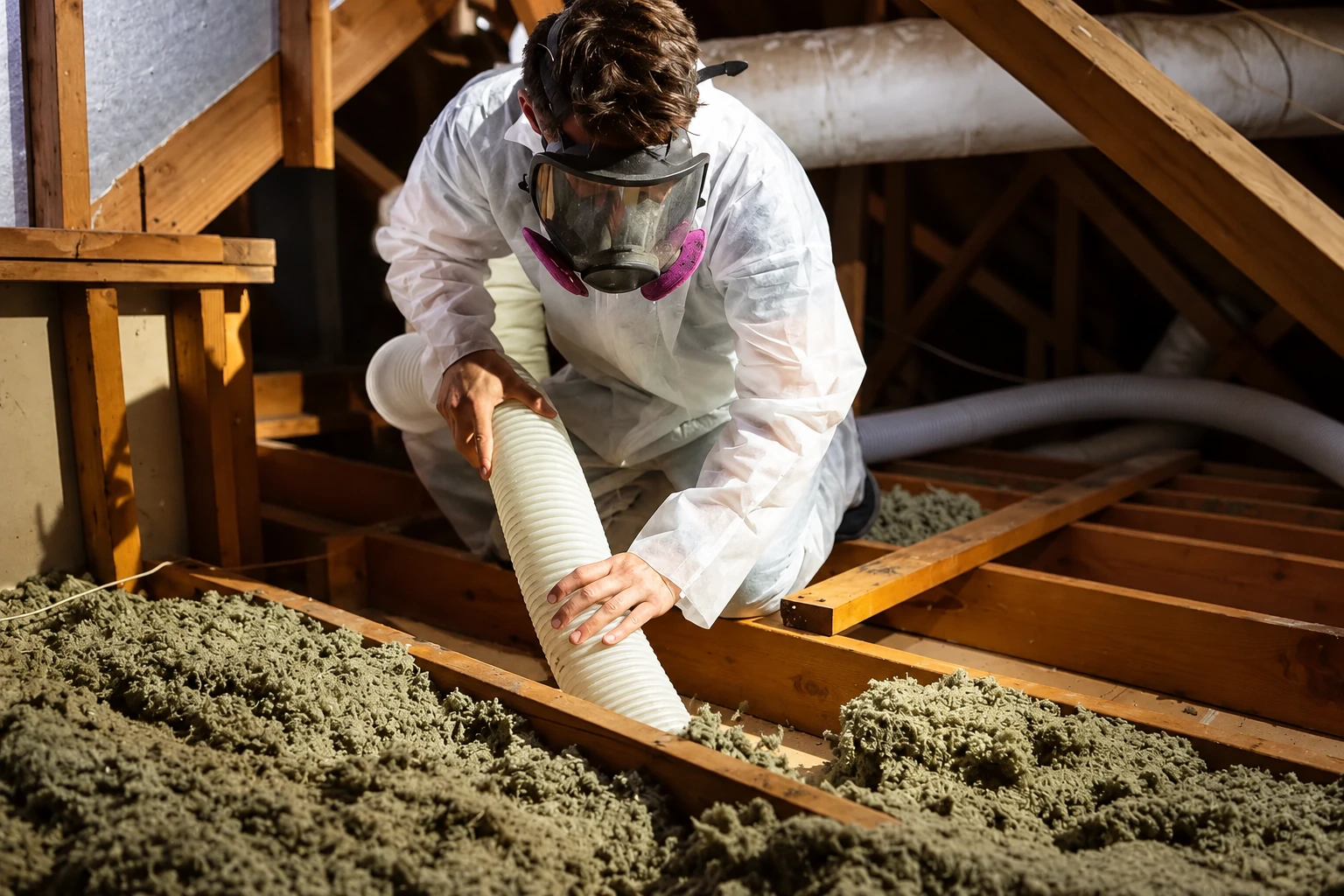
A worker in protective coveralls and a respirator directs a hose to blow loose insulation into an attic.

Blown-in insulation is loose cellulose or fiberglass blown through a hose onto your attic floor, the flat surface above your ceilings, and in Lake Charles it helps a vented attic hold back the heat so less of it reaches the rooms you live in.

What does blown-in insulation do for a Lake Charles house?

Most people call us because a bedroom upstairs or the room over the garage won't cool down, or the power bill keeps climbing. When I go up, I often find a few inches of old fill packed flat, bare spots near the eaves, or insulation that got pushed aside for wiring and never put back.

The price comes down to the size of your attic floor, how much is already up there, whether the old material can stay, how many gaps around lights, pipes and the hatch need closing, and how hard the attic is to move around in. Those same things set the schedule, along with the permit check. The estimate I write after seeing your attic gives you the number for your house.

What I look at in your attic before quoting

Two attics that look alike from the hallway can need very different jobs. These are the things I check first, because they decide what we do and what it costs.

What's already up there

I measure how many inches you already have and look at its condition, because that decides whether we top it up or start over. Fill that's been soaked or is full of rodent droppings has to come out first, since new insulation laid over it keeps the smell, the mess and the damp right where they were.

Getting in and moving around

A small hatch, stored boxes, an air handler in the attic or plywood laid over the joists all shape the plan. Plywood is the big one, because loose fill can't go under it unless boards come up, so we talk through which areas you really need for storage before anything gets blown.

Leaks, wet wood and wiring

If I see a leak stain, wet wood or wiring that needs a look, I point it out and we plan around it before any insulation goes in. Once the attic floor is buried in loose fill, those problems are hidden, and they're harder and messier to fix later.

What happens after you call us about blown-in insulation

Here's how a blown-in job goes from your first call to the walk-through, and who you'll be dealing with at each step along the way.

  1. 1

    Call or send the form

    Call (337) 474-1146 or fill out our contact form and tell us what you're noticing, a hot bedroom, a drafty hallway or a power bill that keeps creeping up. We'll set a time for me to come look.

  2. 2

    I look, measure and write it up

    I come out myself, go up into the attic, measure the space and write down what I find, trouble spots included. Then you get a written estimate that spells out the work and the price for your house.

  3. 3

    We check permits and do the work

    If you go ahead, we check permit needs with the office that covers your address before anything starts. Then our crew does the work the estimate describes, with me or a lead installer on site the whole time.

  4. 4

    Walk through the finished attic

    When we're done, we walk you through the job and show you the coverage across the attic, edges included. You'll know exactly what's up there and how it was put in.

Request an estimate

How we install blown-in insulation

What matters most on this job is even coverage across the whole ceiling, all the way out to where it meets the outside walls. The usual mistake runs the other way, deep in the middle where it's easy to reach and thin at the edges, and those thin edges are right where heat gets in over your walls.

Before we blow, we set baffles, guides at the eaves that hold the fill back from the vents, so air keeps moving through the attic. Buried vents leave an attic that can't breathe, and the moisture ends up in the framing. I also check every recessed light first, for the reason in the questions below, and we leave you a receipt that shows what went in.

Blown-in usually works best as one part of home insulation planned for the whole house, so if the walls or crawl space are part of your problem, I'll say so at the estimate. When the old fill can't stay, we do the insulation removal first and blow the new material onto a clean, dry floor.

Seal the gaps, then blow

For most attics, closing the gaps and then blowing loose fill to an even depth is the better buy. It costs less than foam and does the job well when the attic is just an attic.

Foam when ducts live up there

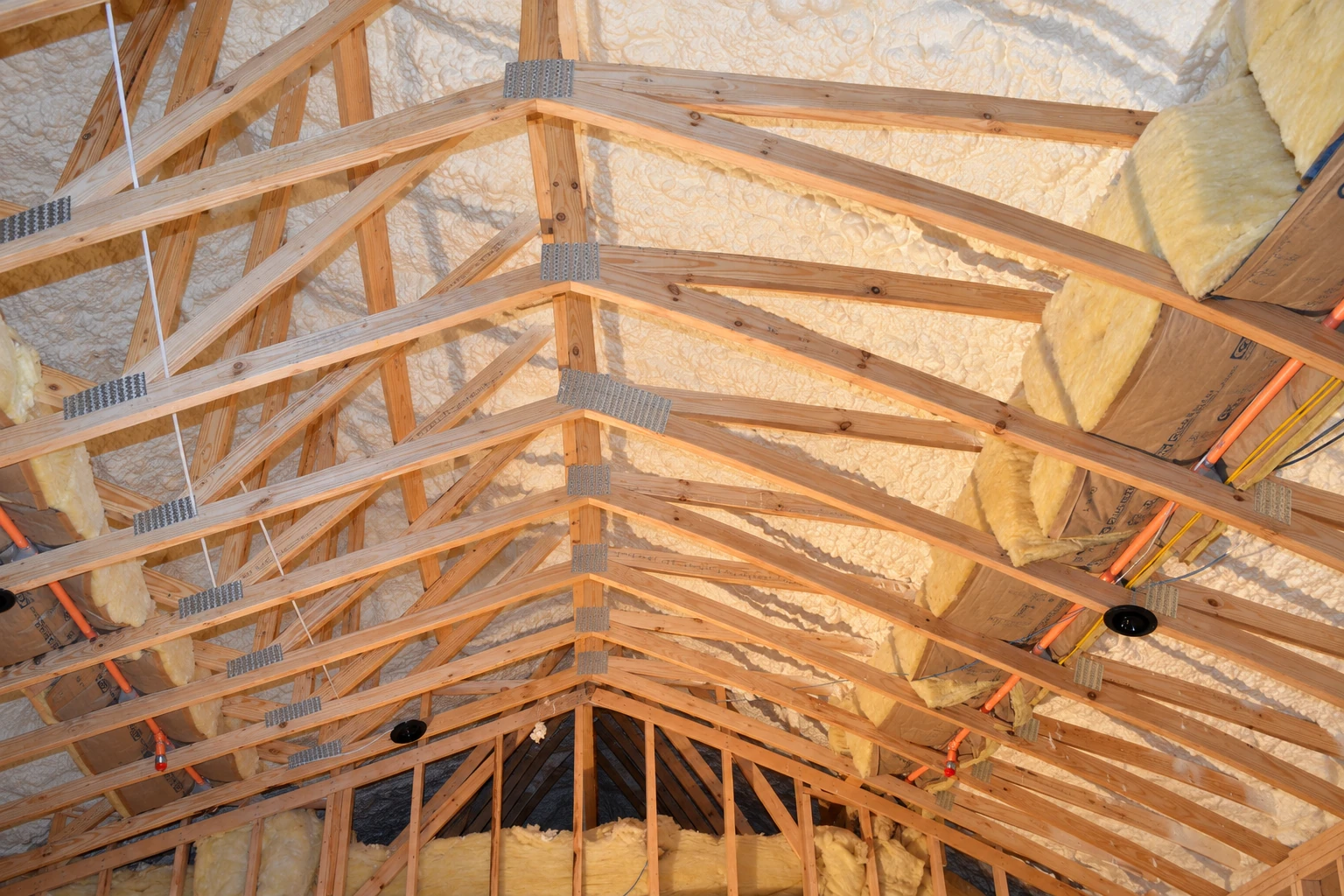
If your ductwork runs through the attic, spray foam insulation at the roofline can be worth the extra cost, because it seals air while it insulates and keeps those ducts inside the cooled space.

Get a blown-in insulation estimate built on your actual attic

We reply within one business day. I come out, look over your attic, measure and write down what I find, then give you a free estimate on site. There's no obligation to go ahead.

(337) 474-1146

projects@lakecharlesinsulationcompany.com

Blown-in insulation rules and houses in Lake Charles

Calcasieu Parish requires a permit before any construction or remodeling, but its list names re-roofing and not insulation, so it doesn't settle whether a blown-in job needs one. Inside the city, the Lake Charles Permit Center answers permit questions about work on your property at 337-491-1294. We check with the city or parish office that covers your address, and if your job needs a permit, we apply for it and keep you posted.

State rules say home improvement work over $7,500 and up to $50,000 has to be bid or done by a registered or licensed contractor, so ask anyone quoting your attic about that. If a job reaches $50,000 or turns up framing that needs structural repair, it has to be bid and done by a licensed Residential Building Contractor.

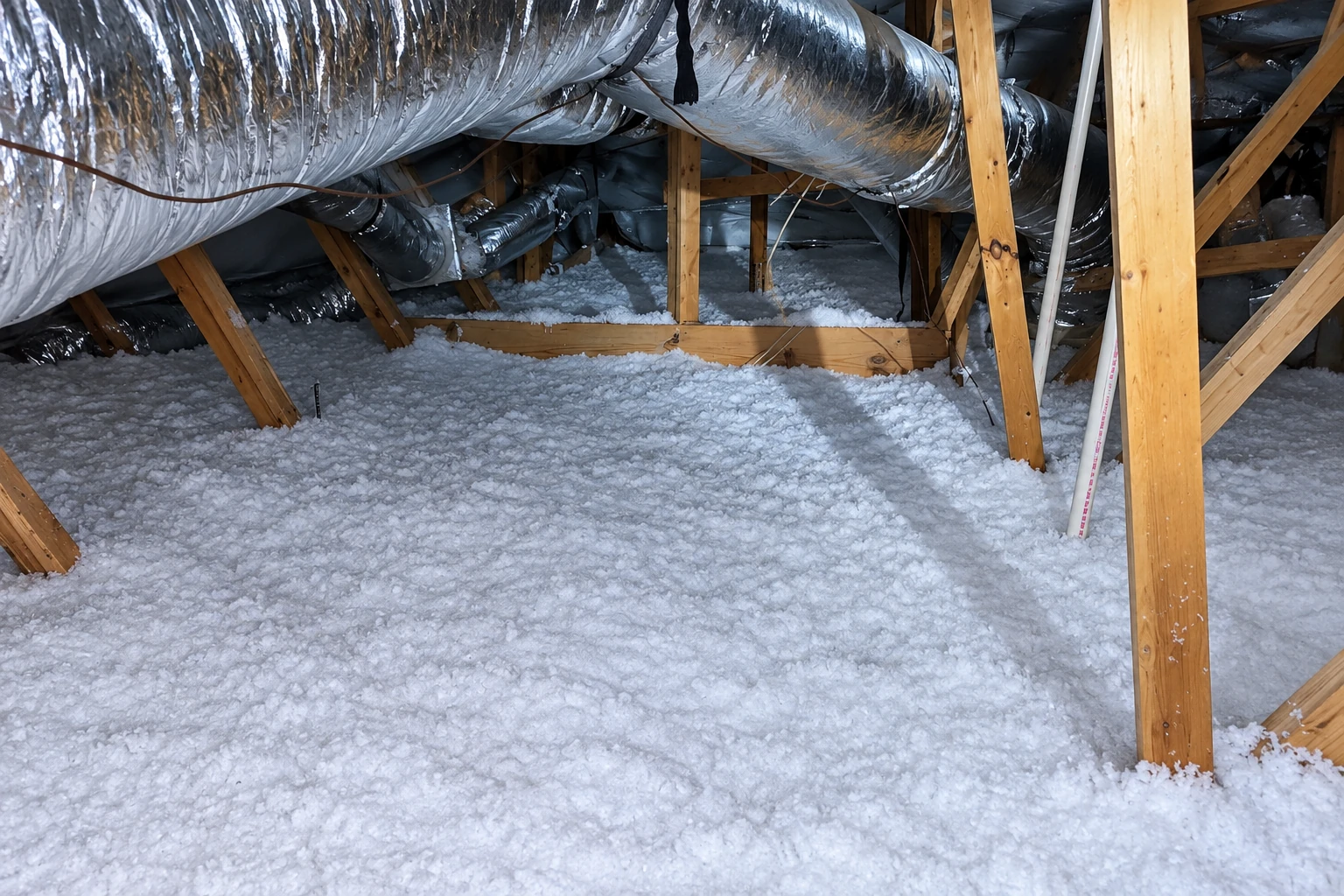
Many of the attics we open around here have a few inches of old, packed-down fill, ductwork across the floor and open gaps around lights and the hatch. We see the same thing in Sulphur and Moss Bluff, and we do the same careful work there.

Why Lake Charles homeowners call us for blown-in insulation

I learned this work on a municipal crew, where every job got written up and checked before anyone signed off, and I started Lake Charles Insulation Company in 2023 to work that way on houses here. I come out to look at your attic and write the estimate myself, and our crew does the work with me or a lead installer on site.

We're licensed and insured. Your satisfaction, guaranteed. If you'd like me to look at your attic, call (337) 474-1146 or send us the form and we'll set a time.

Home insulation

If the attic isn't the only place heat gets in, a look at the whole house shows where the walls, floors and crawl space are letting you down.

Insulation removal

When the old fill up there is wet, fouled or packed flat, pulling it out gives your new insulation a clean, dry floor to sit on.

Cities where we blow in attic insulation

We're based in Lake Charles and work in the cities around it, including Sulphur, Jennings and Orange, TX, plus Moss Bluff and Prien. Pick your city to see how we work there.

Blown-in insulation questions we hear in Lake Charles

How much does blown-in insulation cost in Lake Charles, and is it cheaper than batts?

Your price comes from the estimate I write after seeing your attic, and blown-in usually costs less than batts, the precut blankets. Blowing loose fill also tends to cover better than batts, though installed costs vary from job to job. That's why it's the first thing I price out for most attic upgrades.

Should air leaks in my attic be sealed before blowing in insulation?

Yes, because most insulation doesn't stop air from moving. Leaks between the attic and the house should be closed first, especially around chases, the boxed runs for flues and ducts, plus wiring and plumbing holes, light fixtures and bathroom fans. Air sealing, closing those gaps before insulating, should show up in any good quote.

Can blown-in insulation cover my recessed lights?

Only if the fixture is rated for insulation contact, marked IC. Cellulose industry practice says insulation has to stay off recessed lights and heaters unless they carry that rating, so I check yours before we blow. If a light isn't rated, we keep the fill away from it.

What should my insulation receipt show after a blown-in job?

A federal rule says the installer has to give you a dated, signed contract or receipt. For loose fill, it lists the area covered, the thickness when installed, the minimum thickness after it settles, the R-value, which is how well it slows heat, and how many bags went in. Keep it with your house papers.

How long does blown-in insulation take, and do we have to leave the house?

You don't usually need to leave for blown-in the way you might for spray foam, since the work happens up in the attic. How long the crew is there turns on the attic's size, how easy it is to get around in and whether old fill comes out first, and the estimate lays out the plan.

How do I get my house ready for blown-in insulation?

Clear a path to the attic hatch and move what's stored below and around it, so the crew can bring the hose in without working around boxes. Keeping pets in a closed room while we're going in and out helps too.

Book a look at your attic

Before you call (337) 474-1146 or send the form, note where your recessed lights and bathroom fans are, since those are the first spots I check up there.

(337) 474-1146Request an estimate