
Spray foam insulation
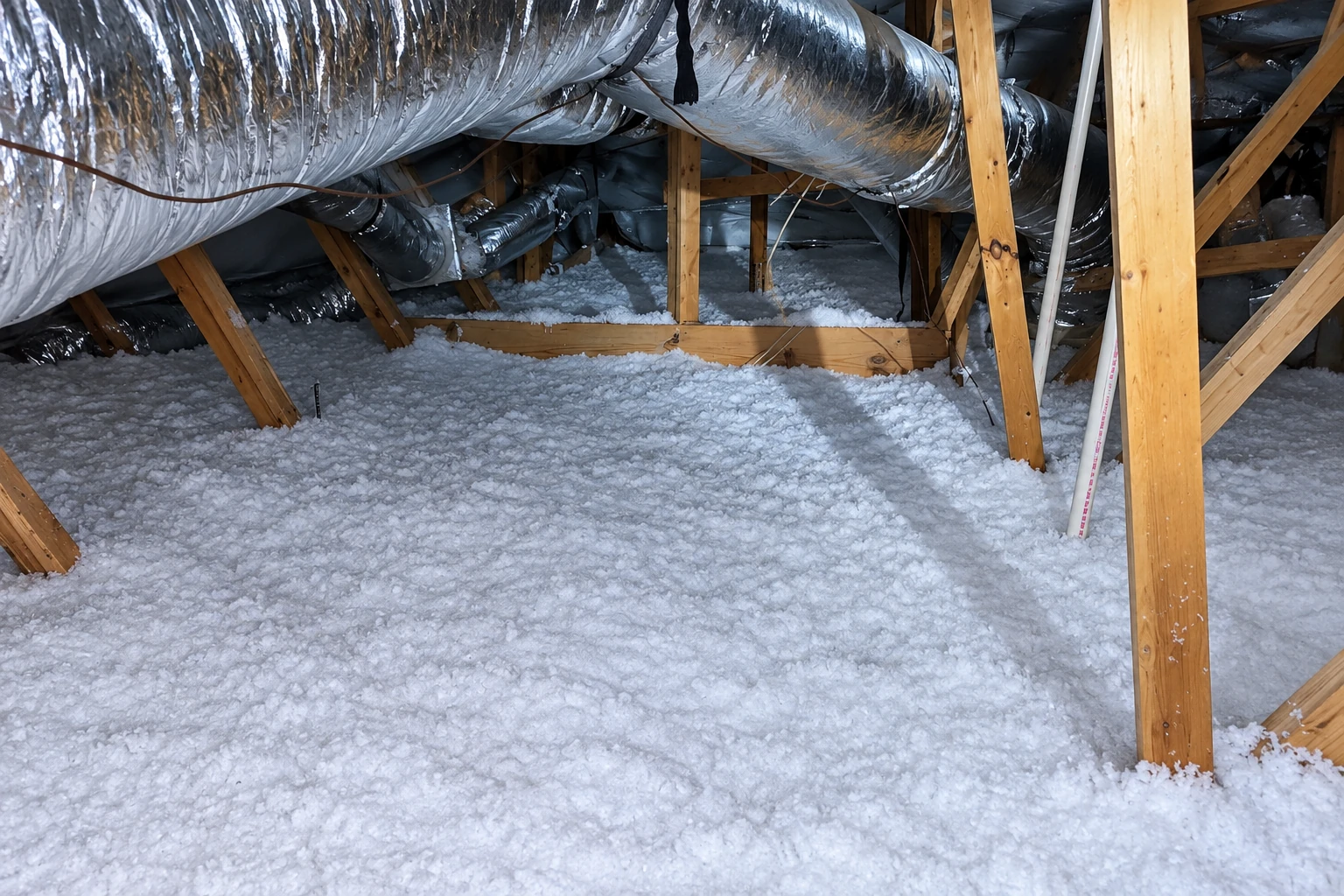
Foam costs more than loose fill but seals air while it insulates, so we recommend it when the ductwork runs through the attic. Otherwise, sealing gaps and topping up loose fill usually gets you more for the money.
Lake Charles Insulation Company is an insulation contractor in Lake Charles, LA, and we insulate and air-seal attics, walls and crawl spaces in Prien for houses with a hot upstairs or cold floors and for commercial buildings.
Lake Charles Insulation Company handles attic, wall and crawl space insulation in Prien, plus air sealing, foam and removing old insulation. Most calls here start with the same complaints: an upstairs that won't cool, a room over the garage that never feels right, cold floors, or a power bill that keeps climbing.
Prien runs from the old community on the southeast shore of Prien Lake south toward West Gauthier Road, so the houses vary a lot in age. The first thing I check is how many inches are already in the attic and what shape they're in, because that decides whether we top it up or start over.
Houses near the water often deal with damp under the floor, so crawl space work and vapor barriers come up here more than people expect. We do the same work in Moss Bluff and Sulphur, so the way these houses are built is familiar to us.
Foam costs more than loose fill but seals air while it insulates, so we recommend it when the ductwork runs through the attic. Otherwise, sealing gaps and topping up loose fill usually gets you more for the money.
For an upstairs that won't cool, we check what's already up there, seal the gaps, then bring the insulation to an even depth from wall to wall, edges included.
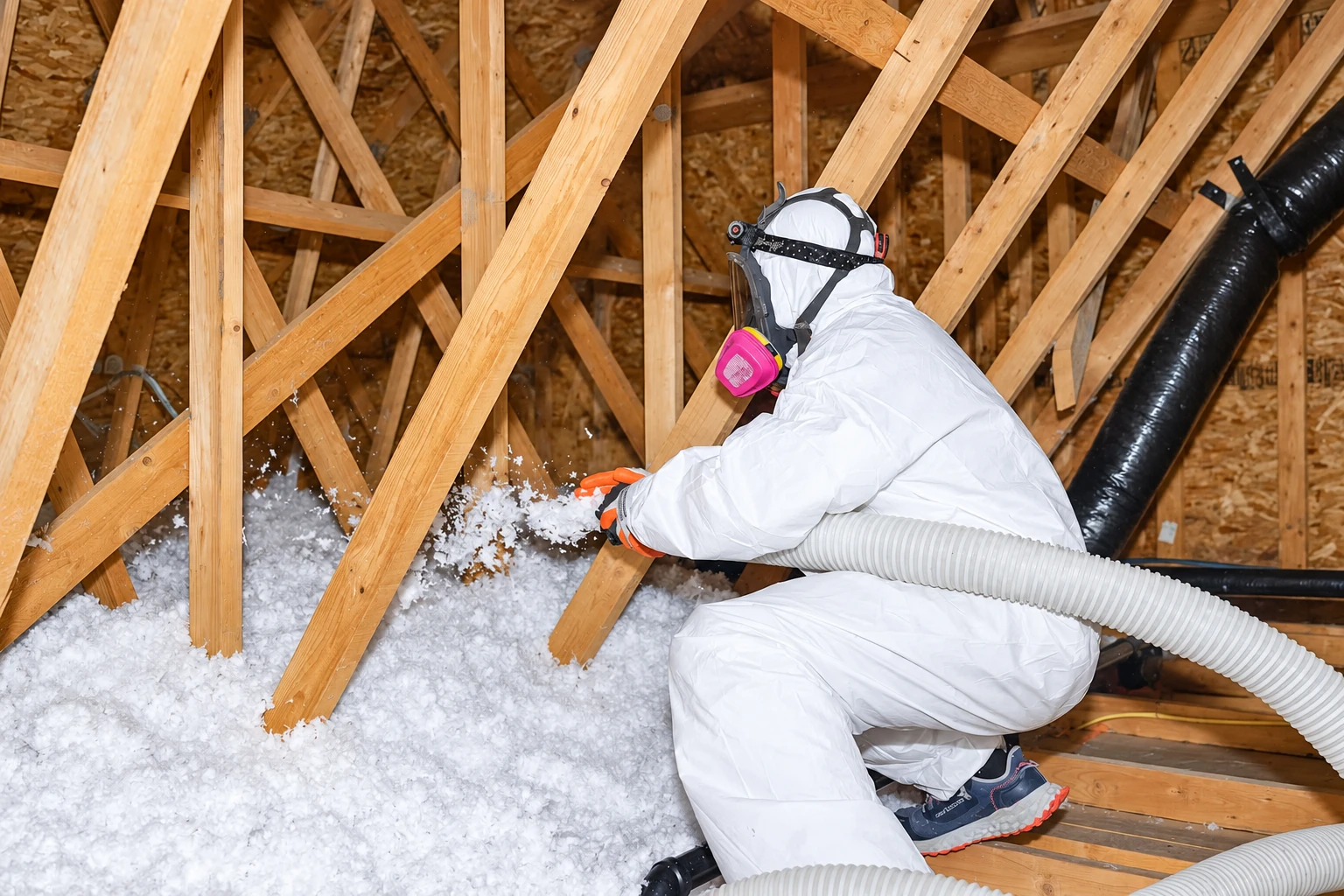
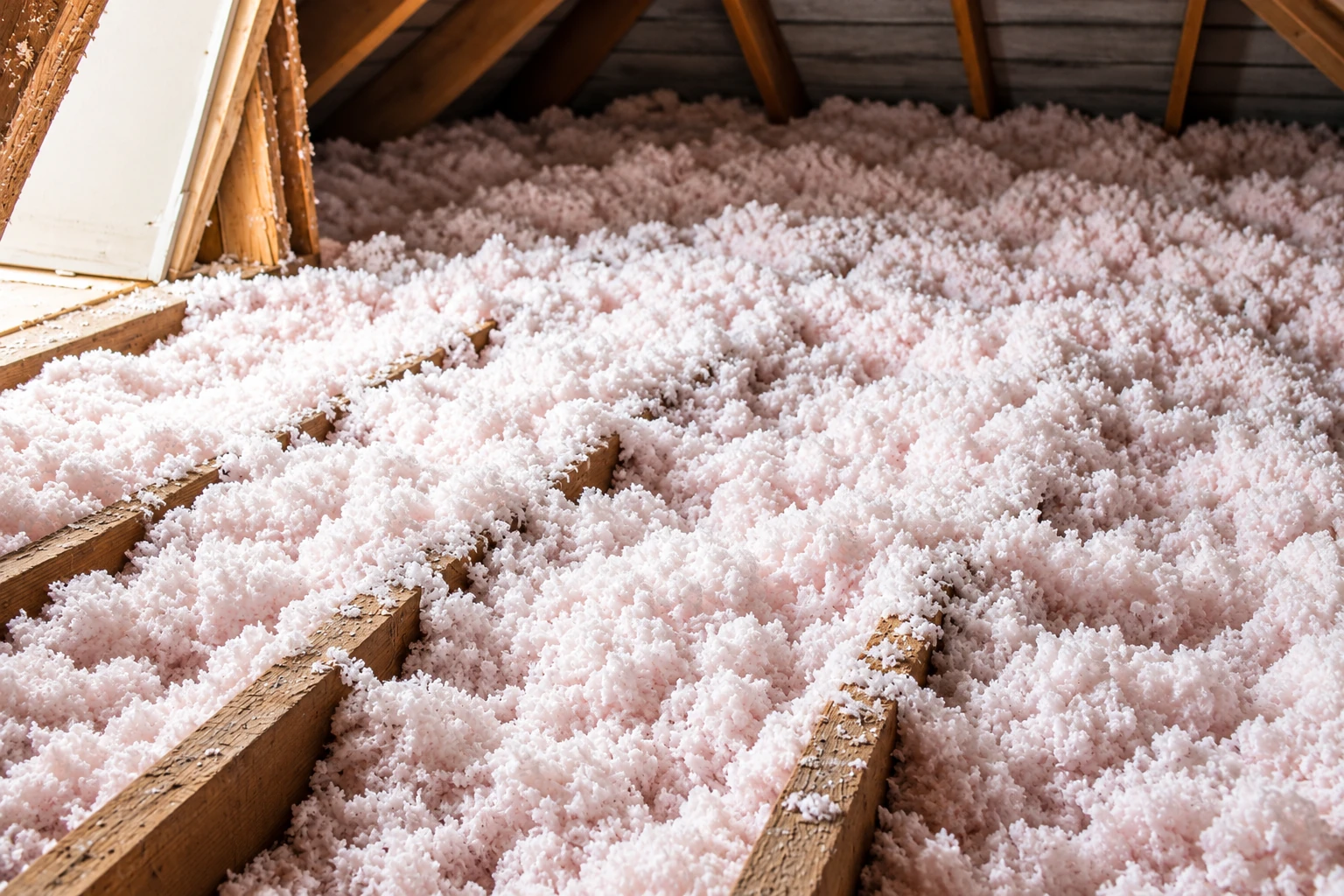
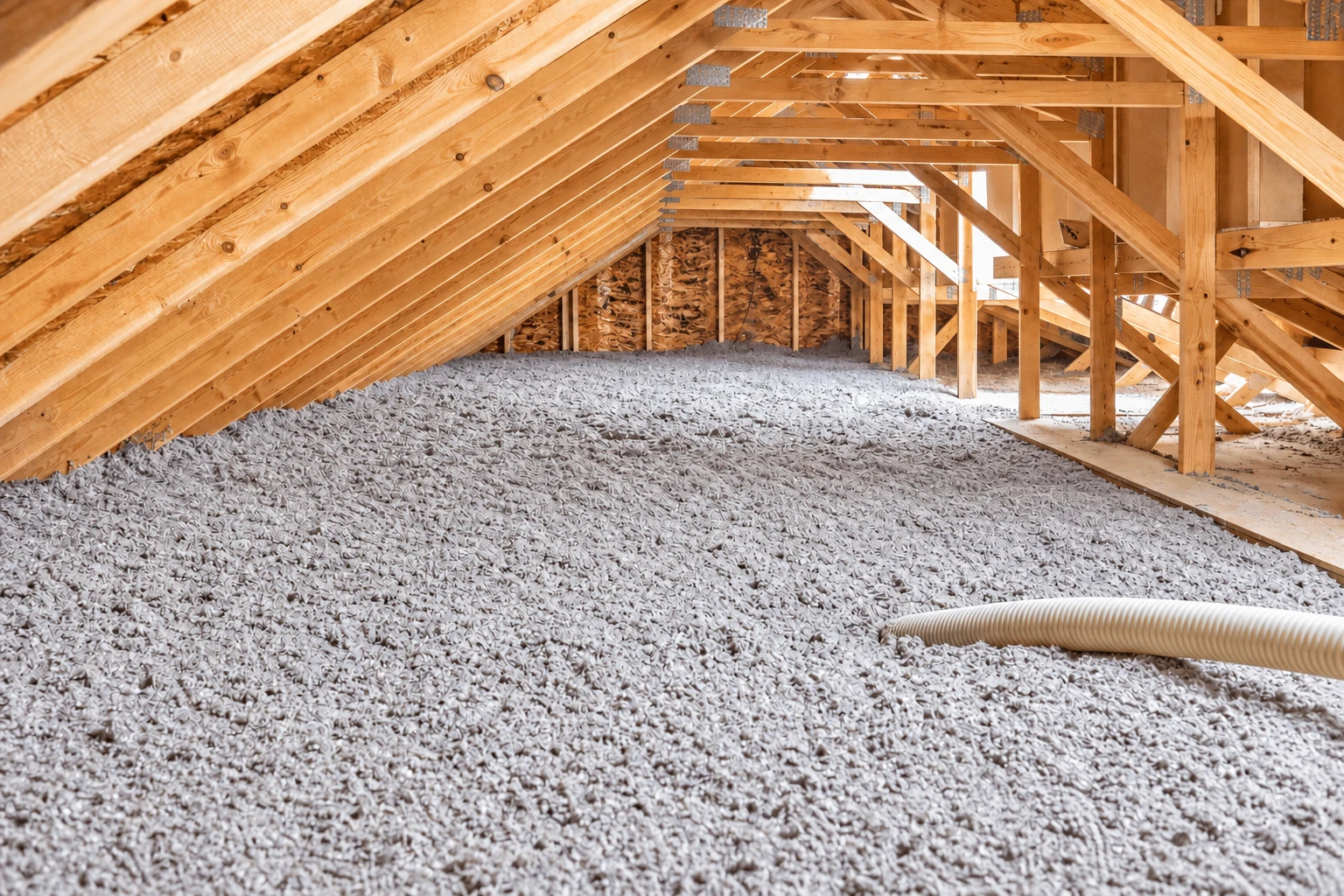
Blown-in insulation, loose fill sent through a hose, tops up a thin attic quickly and fills in around wiring and framing where batts leave gaps.
When the whole house feels uneven, we look at the attic, walls and floor together, so the plan goes after the weak spot instead of just adding material.
Old insulation that got soaked or holds droppings comes out before anything new goes in, because covering it leaves the smell and the damp right where they were.
Cold floors in a raised house usually trace back to the crawl space, where we insulate under the floor once we've checked for leaks and wet wood.
For outside walls that feel cold to the touch, we fill the empty cavities through small openings, or while the walls are open during a remodel.
Air sealing, closing gaps before insulating, stops drafts around pipes, wiring holes, light fixtures and the attic hatch, so the insulation isn't fighting moving air.
Where a home or building has a basement or below-grade room, we insulate the walls with moisture in mind, since damp walls are the usual problem down there.
Closed-cell foam, a dense foam that blocks moisture, suits crawl spaces and the band of wood along the top of the foundation, where insulation shouldn't soak up damp.
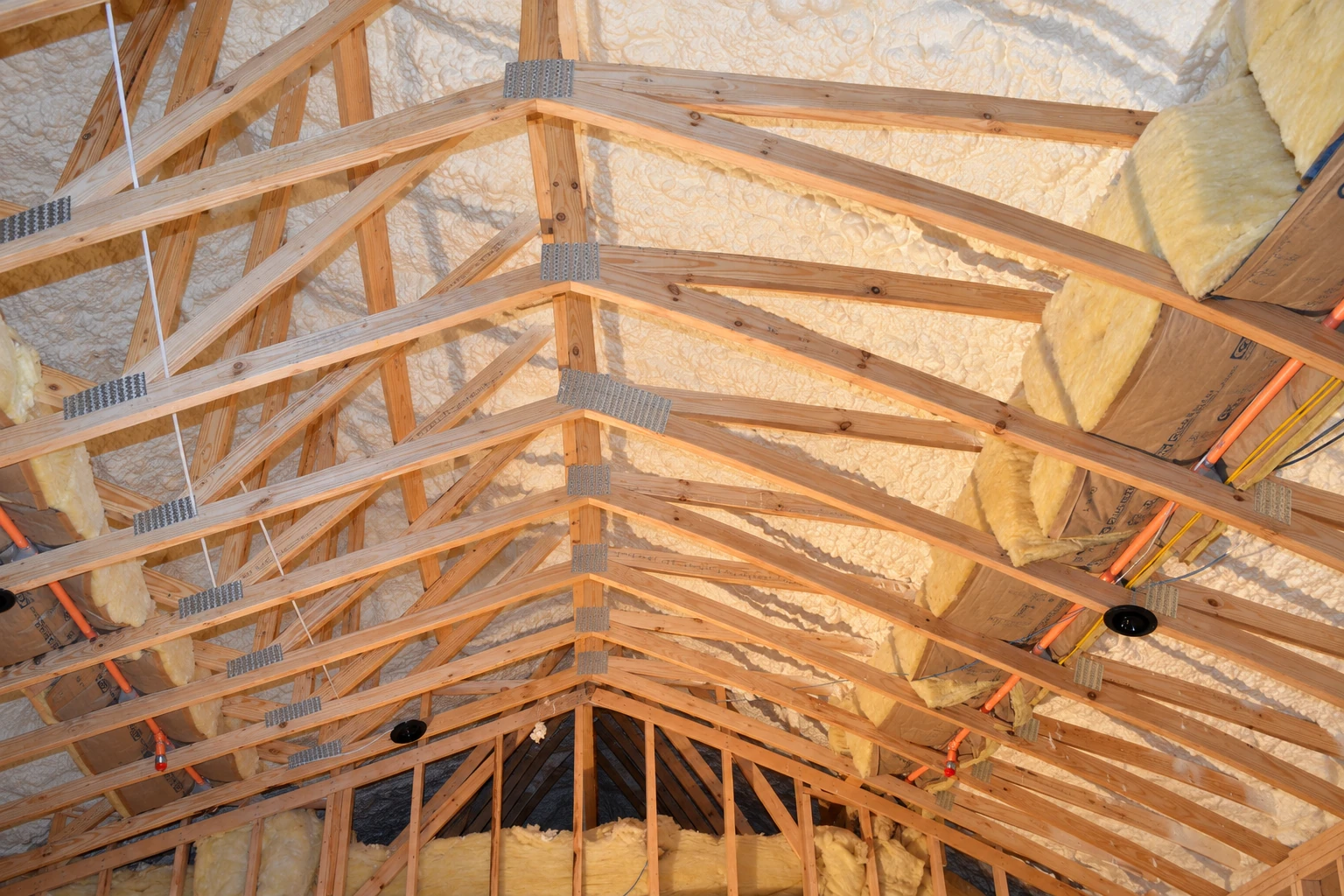
Open-cell foam is softer and costs less than closed-cell, and it works well on attic roof decks and inside walls where moisture isn't the concern.
Property managers call us for offices, shops and rental buildings, and we plan the work around tenants and business hours.
A vapor barrier laid over the crawl space ground keeps moisture from rising into the floor framing, which matters on low lots where the soil stays damp.
In walls and attics, the vapor barrier has to go on the right side of the insulation, because on the wrong side it traps moisture inside the framing.
Before any insulation goes up, we seal the tops of the inside walls, the pipe openings and the hatch, so attic air stops leaking into the rooms below.
For an older house, we add insulation to what's there without tearing out finished walls, once we've checked that the old material is dry and clean enough to keep.
Send the form and we'll reply within one business day to set a time to come out to your Prien address. I look at the attic, crawl space or walls myself, show you what I found and write the estimate there. It's free and comes with no obligation.
(337) 474-1146Unincorporated Prien falls under the Calcasieu Parish Police Jury, so permits there come from its planning office, while an address inside Lake Charles city limits goes to the city's Permit Center. The parish list names construction, remodeling and renovation, not insulation by itself, so we check with the right office before work starts. If your job needs a permit, we apply for it, keep you posted and start once it's issued.
Before you hire anyone, check that the contractor holds the state registration or license your job's value calls for. Outside city limits, they also need the parish's annual occupational license, which comes after the state's resident or non-resident contractor certification. We're licensed and insured, and we work in Prien the same way we do across Lake Charles.
The price moves with the size of the attic or crawl space, how many inches are already there, whether old material has to come out first, how much air sealing the house needs, and whether we use loose fill or foam. The schedule turns on the permit, if there is one, and on how much removal comes first. The on-site estimate gives you the plan and the price for your house.
I learned this work on a municipal crew, where every job got written up and checked before anyone signed off, and I started Lake Charles Insulation Company in 2023 to work the same way here. That's why I come out myself, look hard at the attic, crawl space or walls, and write an estimate that fits what's really there.
If I find a leak, wet wood or wiring that needs a look, I show you before anything gets covered, and we plan around it, because insulation laid over a problem just hides it. Our crew does the work with me or a lead installer on site. Your satisfaction, guaranteed. Call (337) 474-1146 or send the form to set up a visit.
Prien sits along the Calcasieu River, and the parish's own flood and soil guidance points to a few things we watch on every job here, from the crawl space up.
The parish counts 46 percent of its land as high-risk flood hazard area, so we ask early whether your house has ever taken on water. Insulation that soaked up floodwater holds damp against the wood, so it comes out rather than getting covered. If you're planning flood repairs, the parish wants you to check with its building official and floodplain administrator first.
Houses near the lake and river often sit over crawl spaces that stay damp. Before we insulate under a floor, I look for standing water, wet framing and blocked vents, because insulation hung over a wet crawl space holds that moisture against the wood. Where damp is the problem, a ground vapor barrier and closed-cell foam usually beat batts.
South Louisiana soils settle enough that the parish strongly recommends a geotechnical engineer for soil testing and an engineer or architect for foundation design. For insulation, settling opens cracks at the sill and around pipes and door frames, and that's where drafts come from. We seal what we find, and if the framing has moved more than a little, I'll tell you it needs an engineer, not insulation.
When we blow insulation in, we keep the eave vents clear so the attic can still breathe, because buried vents let moisture build up in the framing. We also carry the full depth out over the outside walls, since the edges are where attics usually run thinnest and where an upstairs bedroom feels it first.
The cost of attic insulation in Prien depends mostly on what's already up there. Pulling out soaked or dirty insulation and choosing foam are the two things that raise it most, while topping up a dry attic after sealing the gaps costs the least. I give you a written price after I've been in your attic.
Louisiana requires a home improvement registrant or a licensed contractor for home improvement work over $7,500, up to $50,000. At $50,000 or more, or on any job that involves structural work, it takes a licensed Residential Building Contractor. Ask any contractor which one they hold before you sign.
A parish building permit is good for 180 days, about six months. It stays active until the project is finished as long as work keeps moving and doesn't stop for six months. Permit staff take calls at 337-721-3610, and the parish building permits page has the details.
For blown-in work you can usually stay home, but for spray foam everyone has to be out until the re-entry time, the point when it's safe to come back in, has passed. The foam maker sets that wait. I give you the timing for your house, and the hours to plan around for kids and pets, when I write the estimate.
Clear a path to the attic hatch and move anything stored around it, since we'll be in and out with hoses and gear. If you keep boxes in the attic, we'll go over what needs moving at the estimate visit. Tell us about any stains, smells or wet spots you've noticed, so we look at those first.
Call (337) 474-1146 or send the form with the room that's hot, the floor that's cold and roughly how many inches you can see at the hatch, so I come out knowing where to start.