
Spray foam insulation
Spray foam fits rooflines and odd framing where loose fill won't stay put, and it seals air as it goes on. It costs more, so I'll tell you when it's worth it.
Lake Charles Insulation Company is an insulation contractor working in Jennings, LA. We insulate attics, walls and crawl spaces, seal the gaps that let hot air in, and pull out old insulation that's wet or dirty.
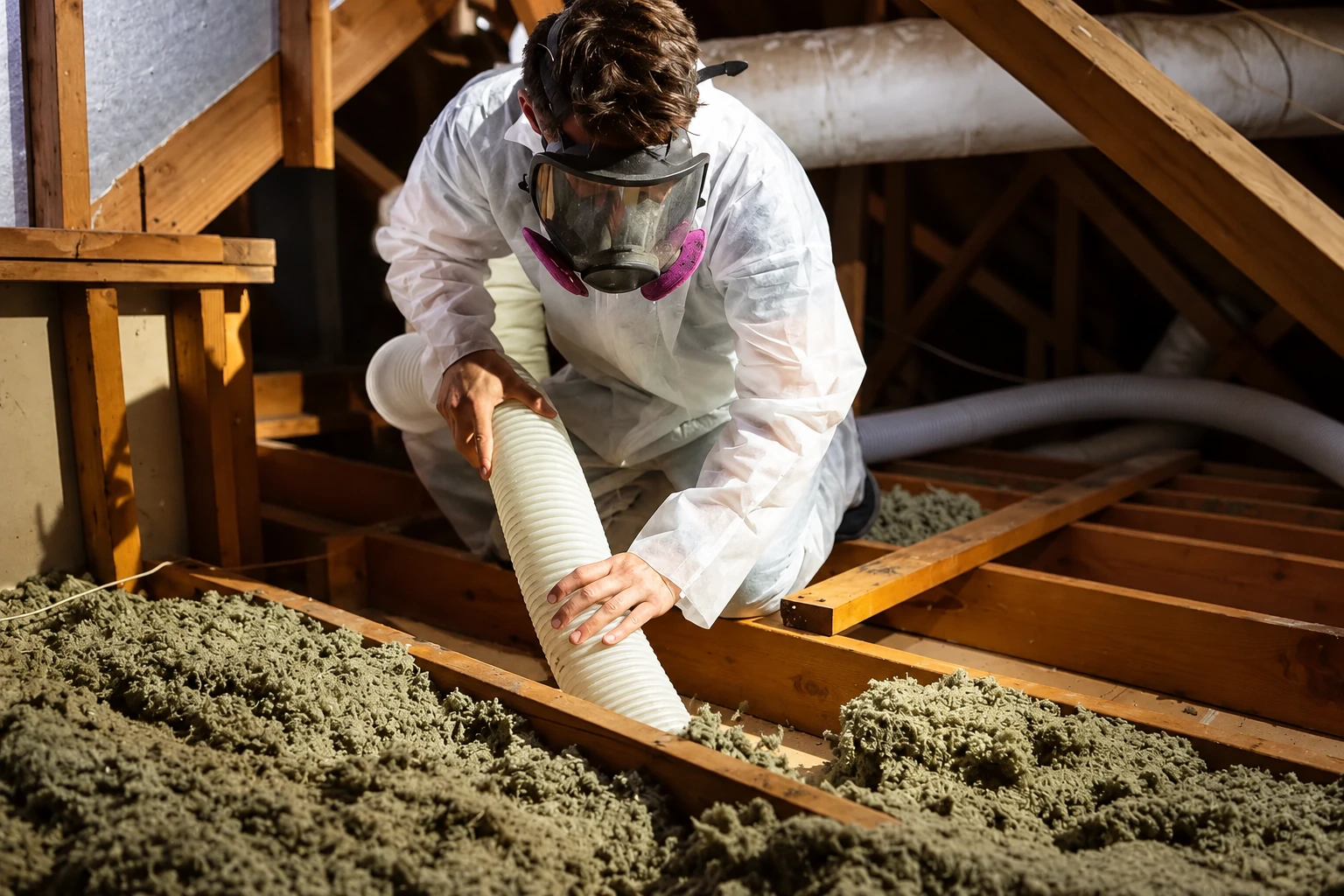
In Jennings, Lake Charles Insulation Company handles attic insulation, crawl space work, wall insulation and air sealing for homes, plus commercial buildings for property managers. Most calls start with a hot room upstairs, a drafty hallway, cold floors or a power bill that keeps climbing.
The houses we get into around Jennings are a mix. Some sit over a crawl space with the floor framing open underneath, others are on a slab, and plenty have an attic nobody has looked at in years. I start by measuring how many inches are already up there and checking that it's dry and clean, because the age of the house and that old layer tell me most of what the job needs.
The complaints are usually familiar. The room over the garage runs hot, a back bedroom never cools down, or the floor feels cold underfoot. Those come from a few causes, like gaps around can lights and the attic hatch, insulation piled deep in the middle and thin at the edges, or batts that fell out of the crawl space. It's the same work we do back home around Lake Charles.
Spray foam fits rooflines and odd framing where loose fill won't stay put, and it seals air as it goes on. It costs more, so I'll tell you when it's worth it.
If the upstairs runs hot, the attic is usually where we start. I check the inches already up there, then we seal the gaps and build the coverage up evenly.
Blown-in insulation is loose fill blown through a hose, and it's the usual way we top up an attic. We keep it full depth out to the edges, not just the middle.
When the whole house feels drafty or the power bill won't come down, I look at the attic, walls and floor together so we fix the weakest spot first.
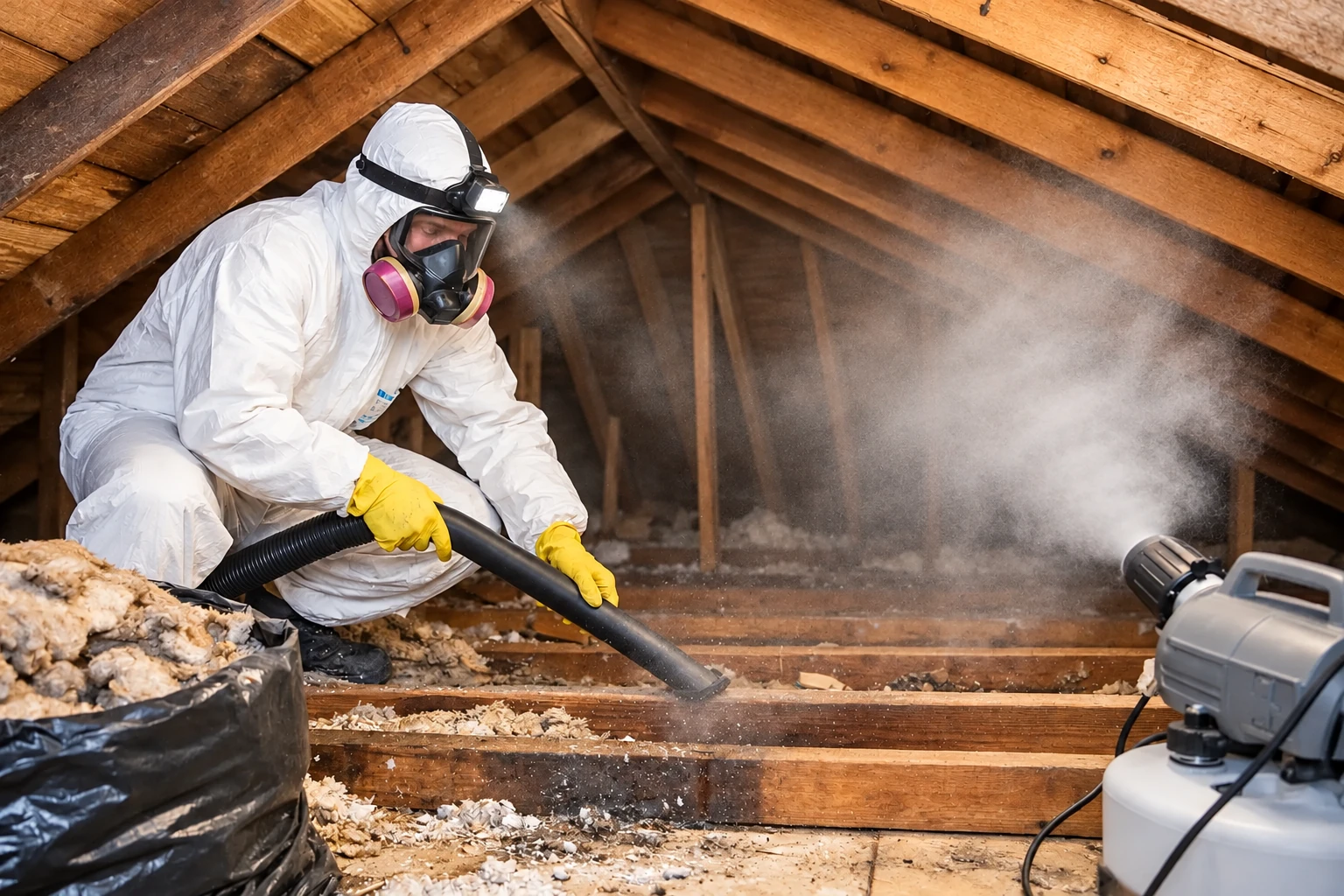
Old insulation that got soaked, flattened or full of droppings has to come out before anything new goes in, or the problem just stays under the fresh layer.
Cold floors over a crawl space usually mean the insulation under the house has fallen, gotten wet or was never there. We fix the cause first, then insulate.
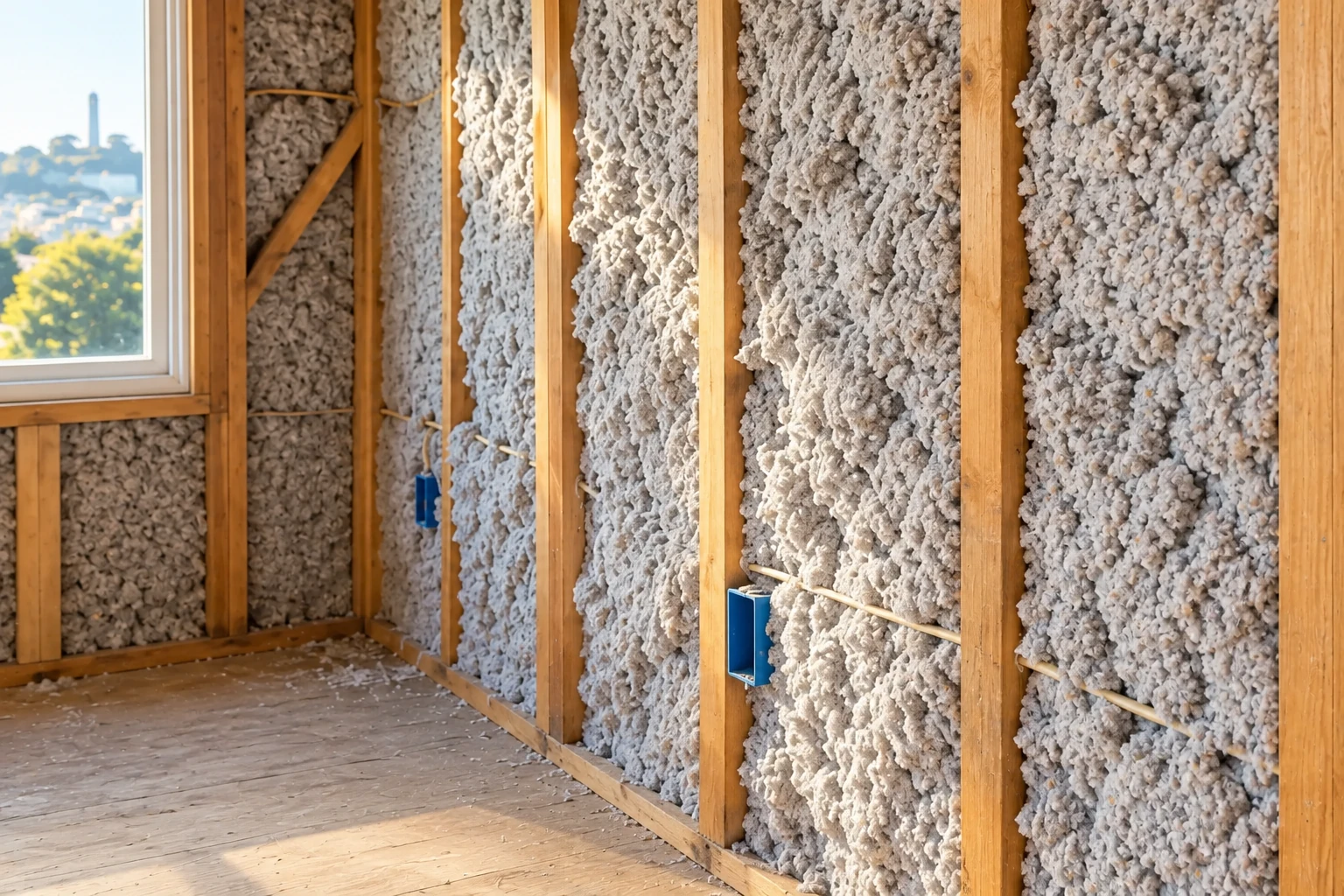
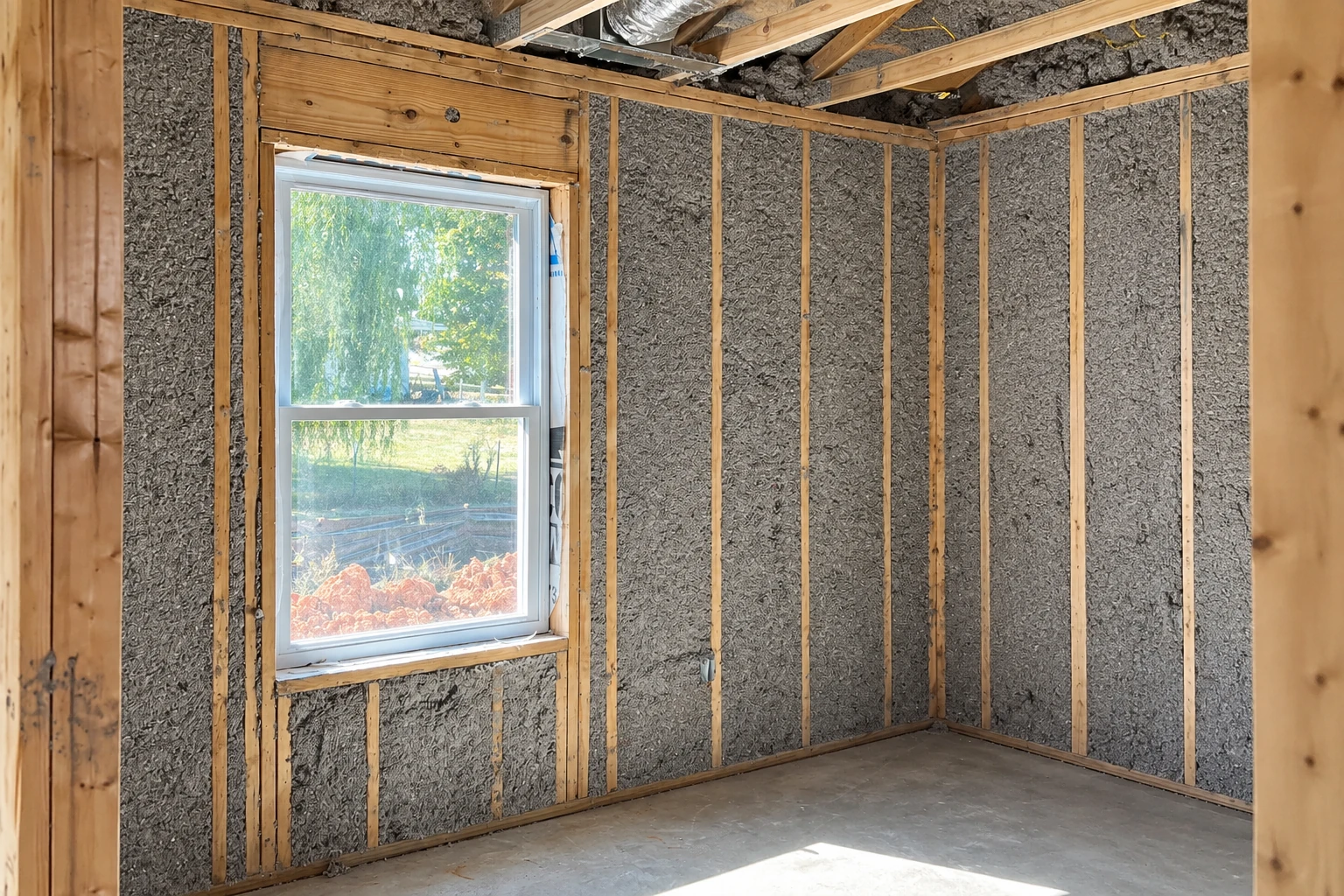
A room that never cools down, even with the attic done, may have empty or slumped wall cavities. We can often fill them through small holes and patch afterward.
Air sealing is closing the gaps around pipes, wires, can lights and the hatch before we insulate. Skip it and the new insulation ends up fighting a draft.
When a building has a basement or a below-grade room, we insulate the walls and the rim where the floor framing sits, after checking that the space stays dry.
Closed-cell foam is a dense foam that blocks moisture, so it suits spots that stay damp, like the underside of a floor over a crawl space or the rim joist.
Open-cell foam is softer and lighter, and it works well on a roofline when ductwork lives in the attic, because it seals air for less than closed-cell.
Property managers call us about offices, shops and rental buildings with uneven rooms or high bills. I walk the building first and write up what I find.
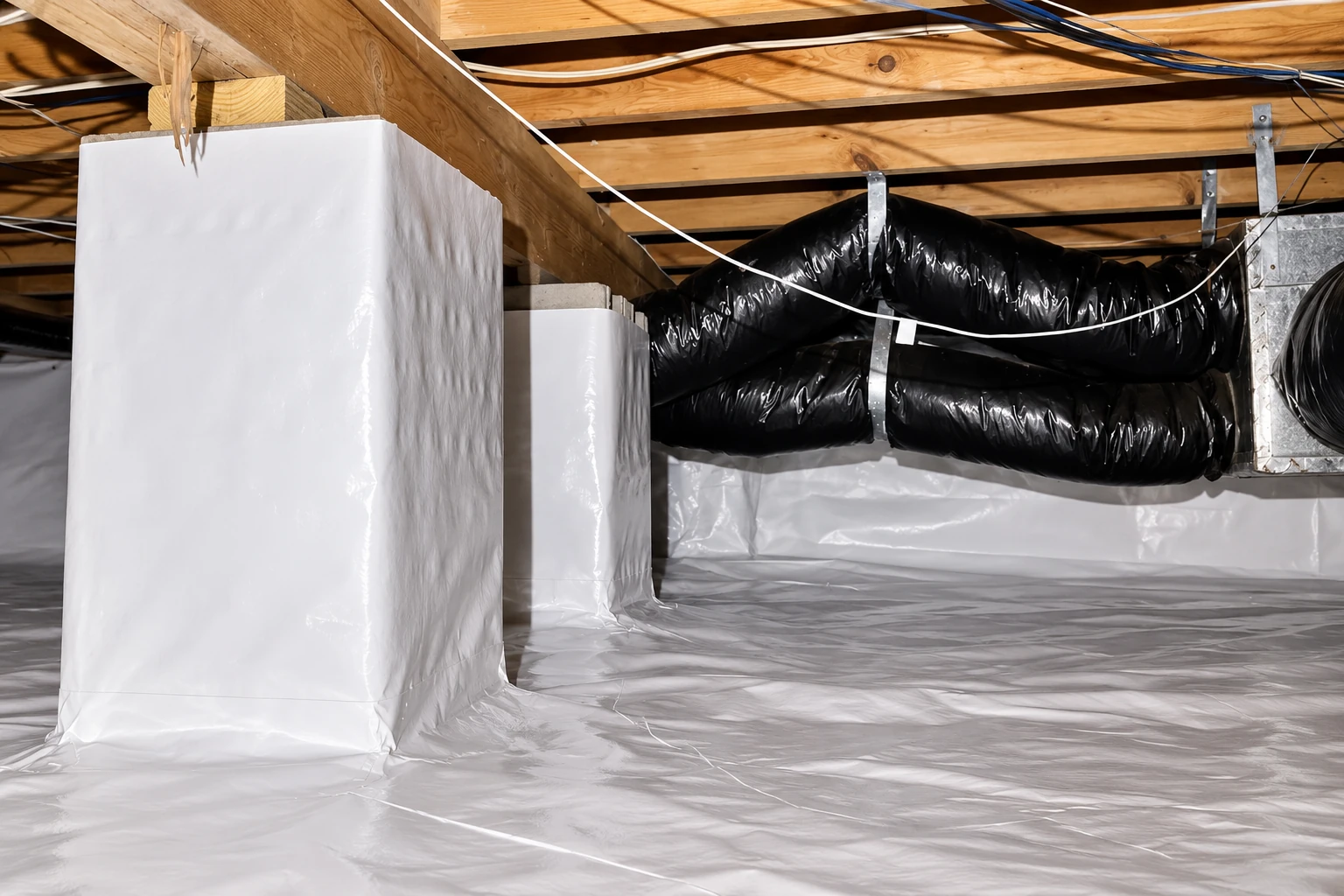
A crawl space vapor barrier is a sheet laid over the dirt under the house, so ground moisture stays away from the floor framing and the insulation above it.
In walls, ceilings and some commercial spaces, a vapor barrier keeps moisture out of the insulation. On the wrong side it traps water, so we place it with care.
Before new insulation goes in, we seal the top plates, the hatch and every hole where a pipe or wire passes into the attic, so the house stops leaking air.
Retrofit means adding insulation to a house that's already finished. We work through the attic, the crawl space or small wall openings, so your rooms stay mostly as they are.
Send the form and we'll reply within one business day to set a time. I come out to your Jennings house myself, look over the attic, crawl space or walls, and write the estimate there, free and with no obligation.
(337) 474-1146Inside Jennings, the City Inspector issues the city's permits, from building and electrical to plumbing and mechanical. Where the parish issues permits instead, that's the Jeff Davis Parish Police Jury. Before work starts, I check with the office that covers your address. If the job needs a permit, we apply for it and keep you posted, and the start date waits on that approval.
Two checks are worth making on any contractor you call. Every business working inside Jennings city limits needs a valid, current Occupational License from the city, and you can ask to see it. On larger jobs the state also wants the contractor registered or licensed, and the questions below lay out where those lines fall.
We're an insulation contractor in Lake Charles, LA, and we drive out to Jennings the same way we head west to Orange, TX, checking who covers each address. What moves the price is the attic's size and access, the inches already up there, whether old material comes out, how much sealing it needs and foam versus loose fill. The estimate I write on site gives you your own figure.
I learned this trade on a municipal crew, where every job got written up and checked before anyone signed off. I started Lake Charles Insulation Company in 2023 to work the same way on homes and businesses here. I come out to look at the job and write the estimate myself, and our crew does the work with me or a lead installer on site.
What I care about most is catching problems before they get covered up. If I find a leak, wet wood or wiring that needs a look, I show you and we plan around it first, and I explain each choice plainly so you know what you're paying for. We're licensed and insured. Your satisfaction, guaranteed. Call (337) 474-1146 or use the form to set up a visit.
These are the spots where insulation jobs around Jennings usually go right or wrong. I check each one before I quote, because each one changes what we do and what it costs.
Along the eaves the attic gets tight, and insulation often ends up thin right where the roof meets the wall while the middle is piled deep. That's backward. We set baffles, short chutes that hold insulation back from the vents, so blown-in fill can go full depth to the edge without burying them, because an attic that can't breathe starts showing moisture in the framing.
When the ductwork runs through the attic, the choice gets real. Foam on the underside of the roof costs more, but it seals air while it insulates and brings the ducts inside the cooled part of the house. When the ducts aren't up there, sealing the gaps and topping up loose fill usually wins, and I'll tell you which way I'd go and why.
Under a raised floor, batts sag and drop over time, and damp ground below wets whatever stays up. So we look at the dirt before the framing. A vapor barrier over the ground keeps that moisture down, and closed-cell foam holds up under a floor far better than batts that keep falling, which is why I often point people that way.
If I find wet wood, a roof leak or mold, I show you before anything gets covered. The state requires a Mold Remediation license for remediation projects of $7,500 or more, so on a job that size the mold work needs someone holding that license. I'll tell you plainly where that part stands before we plan the insulation around it.
There's no honest number until I've seen the attic, because the price follows what's up there. The biggest swings come from old insulation that has to come out first and from choosing foam over loose fill. I write the estimate on site, so you see the figure and the reasons together.
On a home improvement job over $7,500, yes. The state licensing board says projects over $7,500, up to $50,000, need a home improvement registrant or licensed contractor, and residential projects of $50,000 or more, or any with structural work, need a licensed Residential Building Contractor. Ask any contractor which one they hold.
For spray foam, yes. Everyone, kids and pets included, stays out until the re-entry time, the wait the foam maker sets before people can come back inside, and I tell you that time before we book the day. For blown-in work you can usually stay home and keep pets in another room.
Most of the time goes into prep, not the new insulation. Pulling out old material and sealing gaps around pipes, wires and the hatch takes longer than blowing in fresh fill, so I lay out the day's plan when I write the estimate, and either I or a lead installer stays on site until the crew wraps up.
Clear a path to the attic hatch or crawl space entrance and move anything stored right around it. If the hatch is in a closet or the garage, empty enough room for the crew to work and lay down covers. Keep pets in a closed room that day, and we'll handle the rest, cleanup included.
Usually, if the old layer is dry, clean and not packed flat. If it's been soaked, has droppings in it or smells, it comes out first, because new insulation over a bad layer just hides the problem. I'll show you what I found up there so you can see the reason for yourself.
Call (337) 474-1146 or send the form with a line about the hot room or the cold floor, so I know where to look first when I come out.